 blog
How to Identify Common Foods That Naturally Contain Glutamate
Last Updated: October 25, 2026
Quick Summary
Foods that naturally contain glutamate include ripe tomatoes, mushrooms, aged cheeses like Parmesan, fermented products such as soy sauce and miso, cured meats, and seaweed. This amino acid creates umami, the savory taste that makes foods deeply satisfying and flavorful.
- Ripe tomatoes and dried mushrooms are among the richest vegetable sources of natural glutamate.
- Aged cheeses develop higher glutamate levels the longer they age during production.
- Fermentation and aging dramatically increase glutamate content in foods like soy sauce, miso, and cured meats.
- Kombu, nori, and other seaweed varieties rank among the highest plant sources of glutamate.
- Slow cooking and extended fermentation methods concentrate glutamate more than quick cooking techniques.
Table of Contents
- What Are Common Foods That Naturally Contain Glutamate
- Foods High in Glutamate: What the Research Shows
- Natural Glutamate vs MSG: Understanding the Difference
- Foods That Naturally Contain MSG: Separating Fact from Fiction
- Why Glutamate Matters for Your Meals
- Choosing Quality Ingredients for Your Table
- Frequently Asked Questions
What Are Common Foods That Naturally Contain Glutamate
Glutamate is an amino acid found naturally in many everyday foods. It's the compound that creates umami, that savory, satisfying taste you experience in certain meals. Understanding which foods that naturally contain glutamate can help you make informed choices about your diet and flavor profiles in cooking.
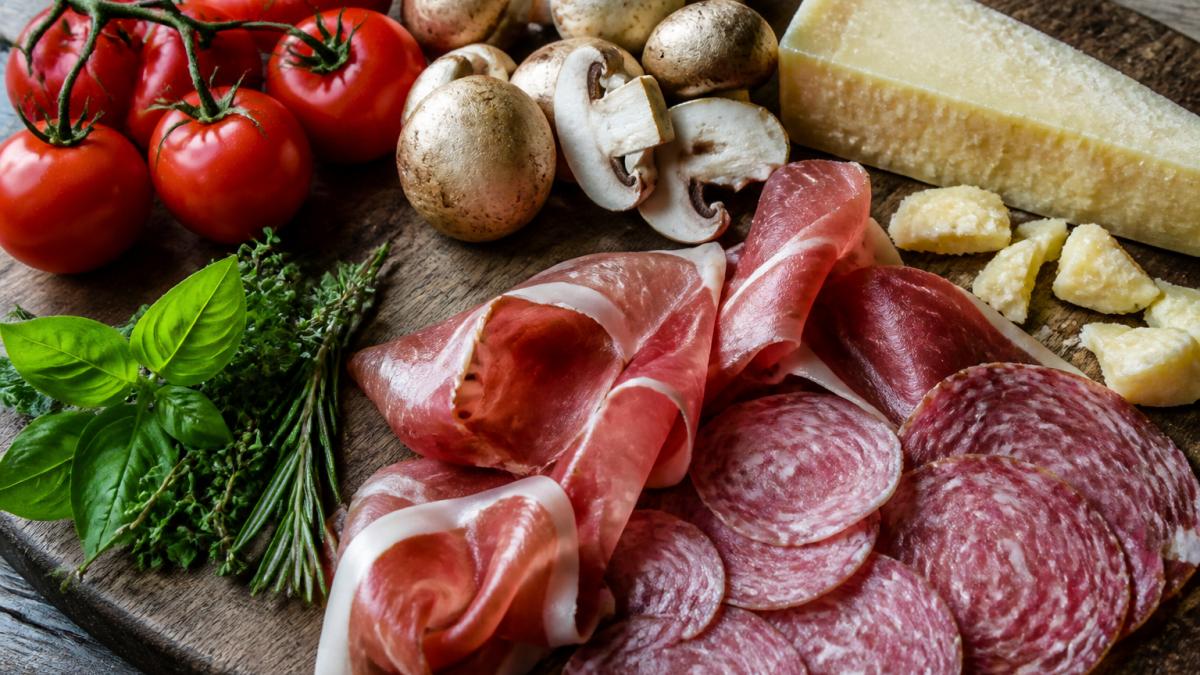
The foods that naturally contain glutamate span multiple categories. Some are plant-based, others come from animal sources. Many fermented and aged foods are particularly rich in this amino acid.
Vegetables and Plant-Based Sources
Tomatoes are one of the richest vegetable sources of natural glutamate. Ripe tomatoes contain significantly more than unripe ones. When you cook or dry tomatoes, the glutamate concentration becomes even more concentrated.
Mushrooms, especially aged varieties, deliver high levels of glutamate naturally. Shiitake mushrooms are particularly rich. Dried mushrooms contain far more glutamate than fresh ones because the drying process concentrates the amino acid.
Other vegetables with notable glutamate content include:
- Asparagus
- Broccoli
- Peas
- Corn
- Potatoes
- Spinach
Seaweed and sea vegetables are among the highest plant sources. Kombu, nori, and other varieties used in Asian cuisine contain substantial amounts of natural glutamate.
Proteins: Meat, Fish, and Cheese
Aged cheeses are glutamate powerhouses. Parmesan, cheddar, and other hard cheeses develop high glutamate levels as they age. The longer the aging process, the higher the concentration.
Fish and shellfish contain natural glutamate, particularly when aged or cured. Anchovies are exceptionally high due to their fermentation and salt-curing process. Tuna and mackerel also deliver significant amounts.
Meat products, especially cured varieties, concentrate glutamate naturally. Beef, pork, and chicken all contain baseline levels. When you cure, age, or ferment meat, the glutamate content rises substantially. At Shaka Braai, we understand how traditional curing methods like those used in our USDA-approved biltong naturally develop umami flavors through this glutamate concentration process.
Bone broth and slow-cooked meat stocks extract and concentrate glutamate from bones and connective tissue. Extended cooking times pull more amino acids into the liquid.
Fermented and Aged Foods
Fermentation dramatically increases glutamate content in foods. Soy sauce, miso paste, and tempeh all develop high levels through fermentation. Sauerkraut and kimchi gain glutamate as beneficial bacteria break down vegetables.
Vinegars, particularly aged varieties, contain natural glutamate. Balsamic vinegar and apple cider vinegar show higher concentrations than distilled vinegar.
Yogurt and other fermented dairy products develop glutamate during the fermentation process. The longer the fermentation, the higher the levels.
Worcestershire sauce contains significant glutamate from its fermented anchovy and spice blend. Soy-based condiments deliver comparable amounts through fermentation.
These common foods naturally contain high levels of glutamate, the amino acid responsible for umami flavor.
| Food Category | Examples | Glutamate Level |
|---|---|---|
| Vegetables | Tomatoes, mushrooms, asparagus, broccoli, spinach | High in ripe tomatoes and dried mushrooms |
| Seaweed | Kombu, nori | Among highest plant sources |
| Aged Cheeses | Parmesan, cheddar | Increases with longer aging |
| Fish and Shellfish | Anchovies, tuna, mackerel | Exceptionally high when fermented or cured |
| Cured Meats | Beef, pork, chicken biltong | Rises substantially when aged or fermented |
| Bone Broth | Slow-cooked stocks | Concentrated through extended cooking |
| Fermented Foods | Soy sauce, miso, tempeh, sauerkraut, kimchi | Increases dramatically during fermentation |
| Fermented Dairy | Yogurt | Higher with longer fermentation time |
Foods High in Glutamate: What the Research Shows
Foods high in glutamate fall into clear patterns. Plant-based sources like tomatoes and mushrooms rank highest. Animal proteins, especially when aged or fermented, concentrate glutamate significantly.
The umami taste you detect in foods correlates directly with glutamate content. When a dish tastes deeply savory and satisfying, glutamate is usually responsible. This flavor comes from the amino acid itself, not from added ingredients.
Cooking methods affect glutamate levels in foods. Slow cooking, fermentation, and aging all increase concentration. Quick cooking at high heat changes glutamate less dramatically than extended, low-temperature methods.
Combining foods high in glutamate creates layered umami flavor. Tomato sauce with aged cheese, for example, multiplies the umami effect. Mushroom broth with cured meat delivers even more complexity.
Natural Glutamate vs MSG: Understanding the Difference
Natural glutamate is the amino acid present in whole foods through their normal composition. MSG (monosodium glutamate) is a processed, isolated form of glutamate with added sodium.
The chemical structure of glutamate is identical whether it comes from a tomato or a lab. Your body processes both the same way. The key distinction is context: natural glutamate arrives with other nutrients, fiber, and compounds from the whole food. MSG arrives as an isolated ingredient added to processed foods.
Many foods that naturally contain glutamate deliver it alongside other beneficial compounds. Aged cheese provides protein, calcium, and fat. Mushrooms offer fiber and minerals. Tomatoes include lycopene and vitamin C. These whole-food packages differ fundamentally from MSG as an isolated additive.
Some people report sensitivity to MSG specifically, even though the glutamate molecule itself is identical. Learn more about MSG safety for children and how it affects specific populations. The sodium content, processing method, or combination with other additives may trigger reactions in sensitive individuals. This distinction matters when choosing between natural sources and processed additions. FDA guidance on food additives and safety
The foods that naturally contain glutamate have been part of human diets for centuries. Fermented foods, aged cheeses, and cured meats developed these glutamate profiles long before MSG was synthesized in 1908. Harnessing these inherent savory depths remains essential when you seek to balance food flavours across diverse culinary traditions.
Foods That Naturally Contain MSG: Separating Fact from Fiction
The phrase "foods that naturally contain MSG" is technically inaccurate. Foods contain glutamate, not MSG specifically. MSG is the sodium salt of glutamate, created through industrial processing.
However, many foods that naturally contain glutamate deliver umami intensity comparable to added MSG. Parmesan cheese, tomato paste, and soy sauce create savory depth that rivals MSG-enhanced processed foods.
Some people assume that foods high in umami must contain added MSG. This misconception leads to unnecessary concern about whole foods like aged cheese or mushroom broth. In reality, these foods developed their umami profile through natural processes.
Traditional cooking cultures worldwide use foods high in glutamate intentionally. Japanese cuisine relies on kombu seaweed and dashi broth. Italian cooking centers on aged Parmigiano-Reggiano and San Marzano tomatoes. French techniques build stock and sauce bases from bones and vegetables. These culinary traditions predate MSG by centuries.
Understanding this distinction helps you make confident choices. Harvard T.H. Chan School of Public Health on umami and nutrition explains how natural umami sources fit into balanced diets. You can enjoy foods that naturally contain glutamate without concern about processed additives.
Why Glutamate Matters for Your Meals
Glutamate drives flavor satisfaction in cooking. When a dish tastes complete and craveable, glutamate usually plays a central role. This amino acid activates taste receptors that signal fullness and contentment to your brain.
Understanding why glutamate matters helps you cook more effectively. You can layer umami flavors intentionally. Start with a glutamate-rich base like mushroom stock or tomato sauce. Add aged cheese or cured meat for complexity. The result feels luxurious without requiring excessive salt or fat.
Many home cooks struggle to create restaurant-quality depth at home. The secret often involves foods that naturally contain glutamate. Professional kitchens build stocks from bones and vegetables. They age cheeses. They use fermented condiments. These practices concentrate glutamate deliberately.
For health-conscious cooking, glutamate offers advantages. It delivers satisfaction with less added salt, sugar, or fat. A small amount of aged cheese or cured meat adds profound flavor. You need less total ingredient volume to achieve satisfaction.
Glutamate also supports nutrient absorption. It helps your digestive system break down and use proteins and other compounds. National Institutes of Health research on amino acids and nutrition documents how glutamate supports normal metabolic function.
Consider Reducing Sodium With MSG: Benefits and How-To for practical guidance on using glutamate-rich foods to lower sodium intake while maintaining flavor depth.
Choosing Quality Ingredients for Your Table
Quality ingredients naturally high in glutamate elevate every meal. When you start with excellent raw materials, the cooking becomes simpler. The ingredients do the work.
Seek out aged cheeses from reputable producers. The longer the aging, the more glutamate develops. A wedge of properly aged Parmigiano-Reggiano or cheddar transforms simple dishes into restaurant-quality meals.
For cured meats, look for traditional production methods. Slow fermentation and aging concentrate glutamate naturally. Avoid products with excessive additives or shortcuts. shop Shaka's premium biltong and cured meats offers USDA-approved options made with fresh, locally sourced ingredients and no preservatives. Our family-owned approach with over 20 years of experience ensures traditional curing methods that develop authentic umami flavor.
Fresh mushrooms and tomatoes form your vegetable foundation. Seek varieties bred for flavor, not just appearance. Heirloom tomato varieties often contain more glutamate than mass-market options. Specialty mushroom varieties deliver deeper umami than common button mushrooms.
Stock your pantry with fermented condiments. Quality soy sauce, miso paste, and vinegars add complexity to everyday cooking. These ingredients cost little but transform simple meals into satisfying dishes.
When building your ingredient collection, prioritize freshness and traditional production. These choices directly impact the glutamate content and overall quality of your meals. Your cooking will feel effortless when you work with ingredients that already contain the depth and satisfaction you're seeking.
Frequently Asked Questions
What are some common foods that naturally contain glutamate?
Tomatoes, mushrooms, aged cheeses, cured meats like biltong, fermented soy products, and ripe bananas all contain natural glutamate. These foods develop glutamate through ripening, fermentation, or aging processes. Unlike added MSG, the glutamate in these foods occurs as part of the food's natural composition and has been part of traditional diets for centuries.
What is the difference between naturally occurring glutamate and added MSG?
Naturally occurring glutamate exists within whole foods as amino acids bound to proteins, while added MSG is monosodium glutamate, a free form of glutamate that's extracted and added separately. Your body processes both similarly, but naturally occurring glutamate comes with other nutrients, fiber, and compounds from the whole food. Added MSG dissolves more quickly, which some people perceive as a stronger umami flavor.
Do tomatoes and mushrooms contain natural glutamate?
Yes, both tomatoes and mushrooms are among the highest natural sources of glutamate. Ripe tomatoes contain significant amounts that increase as they mature, and mushrooms, especially aged or dried varieties, are glutamate-rich. This is why tomato sauce and mushroom dishes have that savory, satisfying umami taste. Using these ingredients in your cooking naturally enhances flavor without any added MSG.
How can I tell whether a food contains added MSG?
Check the ingredient label for monosodium glutamate, MSG, or related terms like glutamic acid or sodium glutamate. The FDA requires these to be listed. Many whole foods with natural glutamate won't list it because glutamate isn't an added ingredient, it's part of the food itself. For cured meats like biltong, look for USDA-approved products made without additives or preservatives, which ensures you're getting natural flavors only.