 Listicle
9 Biltong Recipes That Fit a High-Protein Diet
Quick Summary
Biltong recipes for a high-protein diet center on lean dried beef, which delivers roughly 13 to 16 grams of protein per one-ounce serving with very little sugar or carbohydrate. Simple options include trail mix, cheese cubes, cucumber bites, and a biltong and egg breakfast.
- Lean beef biltong provides about 14 to 16 grams of protein per 1 oz serving.
- Use top round, silverside, or eye of round and trim all visible fat.
- A basic cure uses 2 lb meat, 1/2 cup vinegar, and 2 tbsp coarse salt.
- A biltong and eggs breakfast with three eggs and 2 oz biltong gives about 35 to 38 grams of protein.
- Dry biltong in a dehydrator at 100 to 120°F for 3 to 5 days.
Table of Contents
- Why Biltong Works for a High-Protein Diet
- Biltong Nutrition and Protein Content by Serving
- High Protein Biltong Snacks You Can Make at Home
- Biltong and Eggs Recipe for Breakfast
- Biltong Salad Recipe for Lunch
- Making Your Own Biltong: Ingredients, Curing, and Storage
- Booking Shaka Braai's Biltong or Catering for Your Table
- Frequently Asked Questions
Why Biltong Works for a High-Protein Diet
Biltong is one of the few snacks that fits a high-protein eating plan without much compromise, and it is a staple of many biltong recipes for busy days. It is dried, cured meat, usually beef, so most of its calories come from protein rather than sugar or refined starch. The recipes below show how to build meals and snacks around biltong.
Biltong's appeal comes down to three things. It is portable and delivers protein in a small serving. The Healthline nutrition overview of biltong describes a typical serving as high in protein and low in carbohydrates, which is why it appears so often in low-carb and sports-nutrition meal plans. For a deeper look at health benefits and safety, read the full guide.
Biltong Compared with Beef Jerky
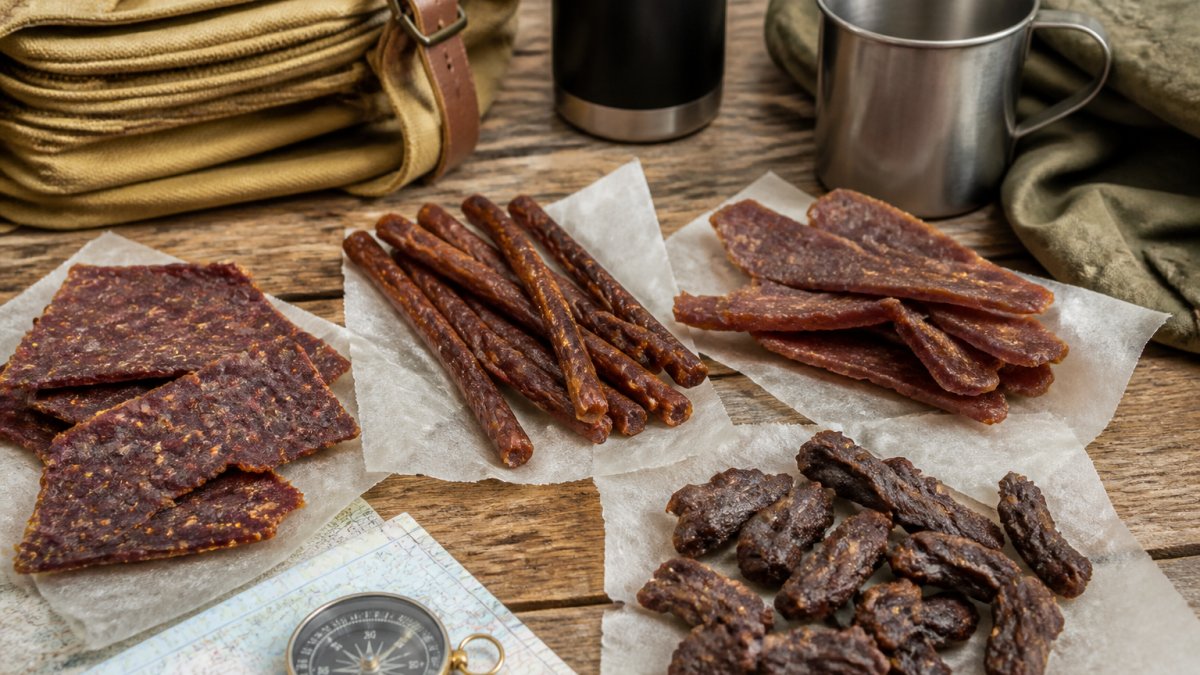
Biltong and beef jerky are both dried meat, but they are made differently. Biltong is air-dried after a vinegar and spice cure, so the strips stay soft and moist inside. Jerky is usually cooked or dehydrated at higher heat, which produces a firmer, drier texture.
Nutritionally, the two can be similar, but labels and ingredients vary widely. Many commercial jerky products add sugar or sweet marinades, while traditional biltong typically relies on salt, vinegar, pepper, and coriander. If you are watching sugar intake, check the label on either product.
Biltong Nutrition and Protein Content by Serving
Reported figures vary by source, so compare the labels on the specific product you buy.
Baseline Nutrition per 1 oz (28 g) Serving
| Type | Calories | Protein | Carbohydrates | Fat | Sodium |
|---|---|---|---|---|---|
| Lean beef biltong (eye of round, well-trimmed) | ~80-90 | ~14-16 g | ~1 g | ~1-2 g | ~300-500 mg |
| Standard beef biltong (top round) | ~90-110 | ~13-15 g | ~1 g | ~2-3 g | ~400-600 mg |
| Venison biltong | ~85-95 | ~15-17 g | ~1 g | ~1-2 g | ~350-550 mg |
| Commercial biltong with added sugar | ~100-120 | ~12-14 g | ~3-5 g | ~2-4 g | ~500-700 mg |
Per-Recipe Nutrition Estimates
| Recipe | Serving Size | Calories | Protein | Carbohydrates | Fat | Sodium |
|---|---|---|---|---|---|---|
| Biltong trail mix (biltong + almonds + pumpkin seeds) | 1/4 cup | ~180-210 | ~10-12 g | ~5-7 g | ~13-15 g | ~200-350 mg |
| Biltong and cheese cubes | 1 oz biltong + 1 oz cheddar | ~200-220 | ~20-22 g | ~1 g | ~14-16 g | ~500-700 mg |
| Biltong cucumber bites | 4 rounds | ~60-80 | ~7-9 g | ~2-3 g | ~2-3 g | ~200-300 mg |
| Biltong avocado wraps | 2 lettuce wraps | ~220-260 | ~14-16 g | ~6-8 g | ~16-19 g | ~350-500 mg |
| Biltong and eggs (3 eggs + 2 oz biltong) | 1 plate | ~380-420 | ~35-38 g | ~2-3 g | ~26-29 g | ~700-900 mg |
| Biltong salad with olive oil dressing | 1 bowl | ~280-320 | ~18-22 g | ~8-12 g | ~20-24 g | ~500-700 mg |
Matching Biltong to Your Protein Goal
For Shaka Braai's current product information, visit the company website.
High Protein Biltong Snacks You Can Make at Home
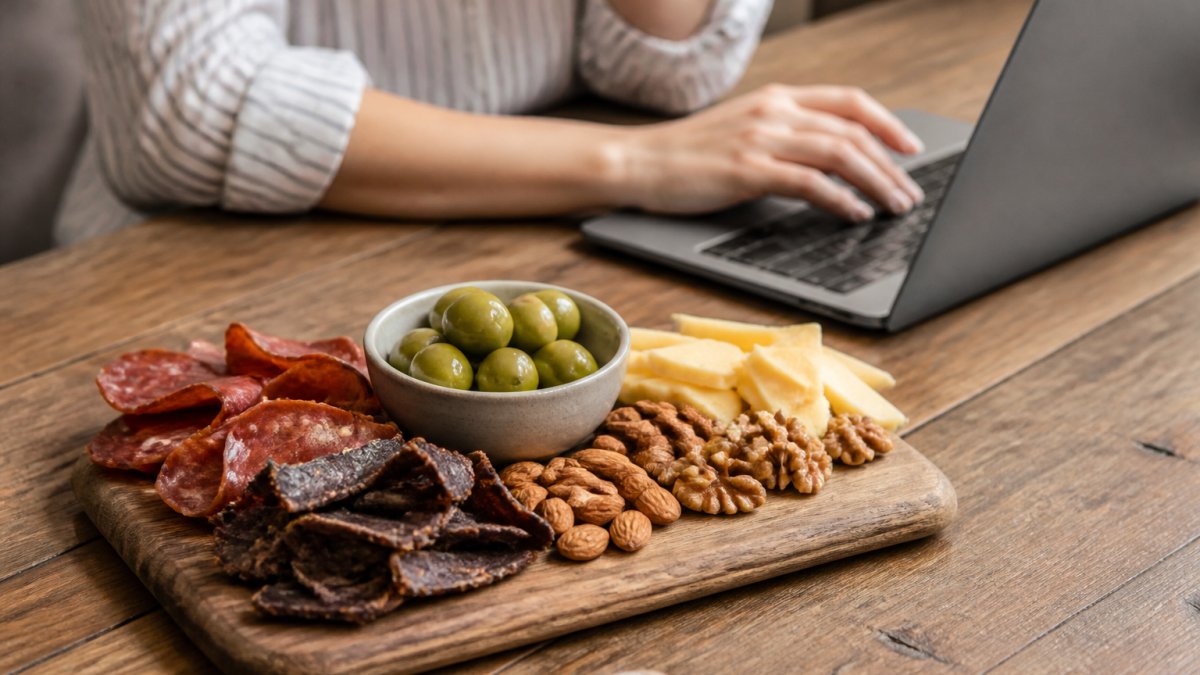
Simple biltong recipes like these fit easily into everyday meals. A simple trail mix is a good starting point: combine chopped biltong with almonds, cashews, and pumpkin seeds. The nuts add crunch, and the biltong adds a savory base.
Other easy options include:
- Biltong and cheese cubes: Pair thin strips with sharp cheddar for a snack that holds you over between meals.
- Biltong cucumber bites: Slice cucumber rounds and top each with a sliver of biltong and a little cracked pepper.
- Biltong avocado wraps: Roll biltong and sliced avocado in lettuce leaves for a low-carb bite.
Biltong and Eggs Recipe for Breakfast
Chop about 2 ounces of biltong into small pieces. Whisk three eggs with a pinch of black pepper. Warm a little butter in a nonstick pan over medium heat, add the biltong for 30 seconds to release its flavor, then pour in the eggs. Stir gently until just set.
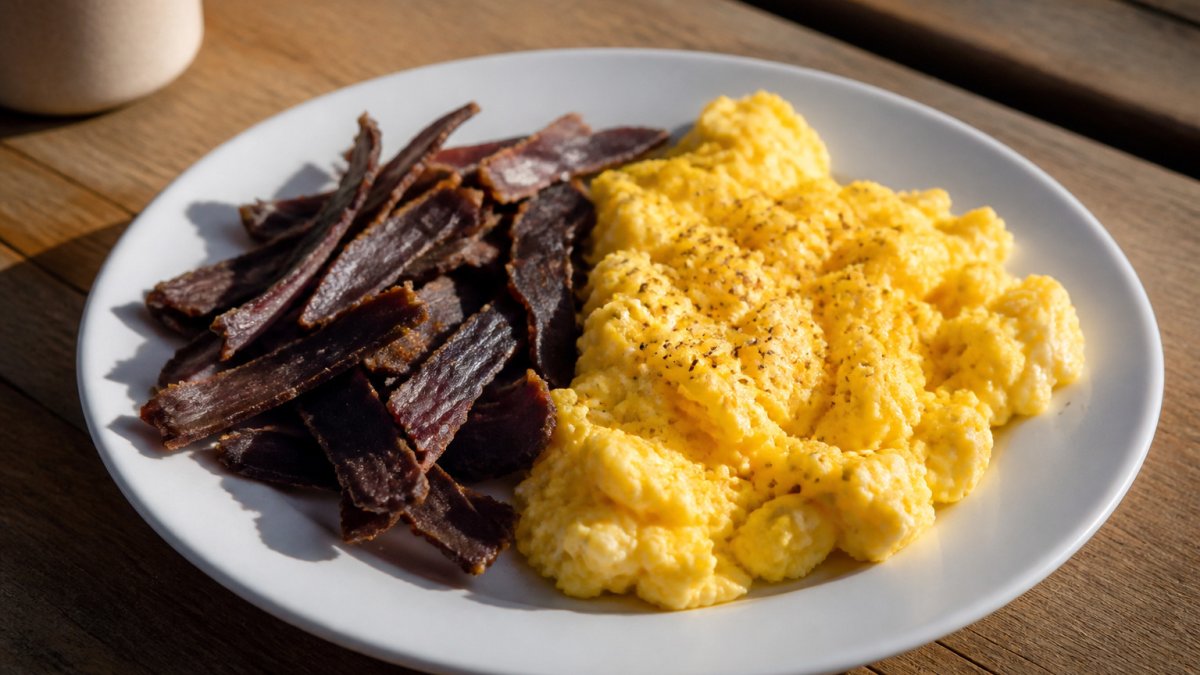
Serve with sliced tomato or spinach.
Biltong Salad Recipe for Lunch
A biltong salad is one lunch option. Combine mixed greens, cherry tomatoes, sliced red onion, and thin biltong strips. Dress with olive oil, a splash of vinegar, and a pinch of salt.
For a heartier version, add cooked quinoa or chickpeas.
Making Your Own Biltong: Ingredients, Curing, and Storage
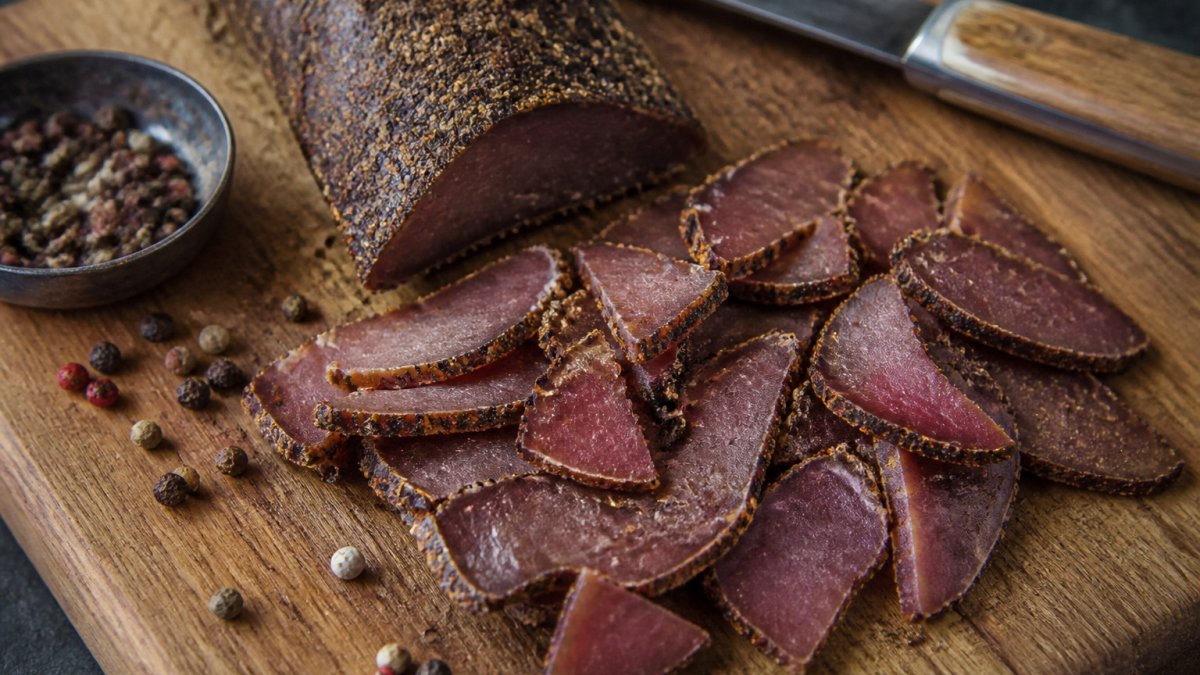
Traditional biltong needs only a few ingredients: lean beef, vinegar, salt, black pepper, and ground coriander. Many home cooks also add Worcestershire sauce or a little garlic. The process is simple, but the details, cut selection, cure time, airflow, and doneness, determine whether you get tender, moist biltong or a batch of dry, brittle strips.
Core Ingredients and Ratios
A reliable starting ratio for a 2-pound batch of lean beef:
- Meat: 2 lb lean beef (top round, silverside, or eye of round), trimmed of visible fat
- Vinegar: 1/2 cup brown vinegar or apple cider vinegar (enough to coat all strips)
- Salt: 2 tbsp coarse salt (kosher or sea salt)
- Black pepper: 1 tbsp coarsely cracked
- Coriander: 1 tbsp ground, toasted coriander seed
- Optional: 1 tsp garlic powder, 1 tbsp Worcestershire sauce, or 1/2 tsp red pepper flakes
Avoid iodized table salt, which can leave a metallic taste, and avoid adding sugar unless a specific recipe calls for it, traditional biltong relies on vinegar and salt for preservation, not sugar.
Choosing and Cutting the Meat
Lean cuts produce the highest protein per gram and dry more evenly. Top round, silverside, and eye of round are the standard choices. Trim all visible fat and silverskin; fat does not dry at the same rate as lean muscle and can turn rancid during curing. Prioritizing these specific cuts ensures your homemade biltong remains a staple among other paleo protein sources that support consistent muscle recovery and sustained energy levels.
Cut the meat with the grain into strips about 1 inch thick and 6 to 8 inches long. Cutting with the grain gives the characteristic chewy texture; cutting against the grain produces a more tender, jerky-like bite. For a high-protein plan, thinner strips (about 3/4 inch) dry faster and portion more easily.
Curing: Vinegar First, Then Spice
The vinegar step does two jobs: it lowers surface pH to slow bacterial growth and it helps the spice rub adhere. Coat each strip thoroughly in vinegar, then rub with the salt, pepper, and coriander mixture. Layer the strips in a glass or food-safe plastic container, cover, and refrigerate for 4 to 12 hours. A longer cure (up to 24 hours) produces a saltier, firmer result; a shorter cure (4 to 6 hours) keeps the interior moister and less salty, a better fit for low-sodium diets.
Drying: Three Equipment Options
You do not need a dedicated biltong box. Three workable setups:
- Dedicated biltong box or dehydrator: Set to 100-120°F with the fan running. Drying takes 3 to 5 days depending on thickness and humidity. This is the most consistent option.
- Oven with the door cracked: Set to the lowest temperature (typically 150-170°F on most home ovens) and prop the door open 2 to 3 inches with a wooden spoon. Place strips on a wire rack over a sheet pan. Drying takes 4 to 6 hours. The higher heat produces a firmer, jerky-like texture rather than traditional biltong.
- Air-drying in a well-ventilated space: Hang strips from a rack in a cool, dry room (below 70°F) with a fan circulating air. This is the traditional method but depends heavily on ambient humidity. In humid climates, use a dehydrator or oven instead.
Doneness Cues and Troubleshooting
Biltong is done when the exterior is firm and dark and the interior is still slightly moist but not wet. A good test: cut a strip in half. The center should be a deep red-brown, not pink or raw-looking, and should not release juice when squeezed.
- Too dry or brittle: The strips were cut too thin, dried too long, or the humidity was too low. Slice thinner next time and check at the low end of the drying window.
- Too soft or wet in the center: The strips were too thick or the airflow was insufficient. Increase airflow, extend drying time, or cut thinner strips.
- Uneven drying: Strips were different thicknesses or overlapped on the rack. Cut uniformly and space strips at least 1 inch apart.
- White spots on the surface: A thin white film is usually salt crystallization and is harmless. Fuzzy or colored mold is not, discard the affected strips and any strips touching them.
Storage and Food Safety
Discard any biltong with off odors, slimy texture, or fuzzy mold. The USDA Food Safety and Inspection Service guidance on meat handling offers general safe-handling practices for home preparation, including refrigerator and freezer temperature targets.
Diet-Specific Adaptations
- Low-sodium: Reduce salt to 1 1/2 tbsp per 2 lb and refrigerate after drying. Avoid Worcestershire sauce, which adds sodium.
- Sugar-free and keto: Skip any recipe that adds sugar or sweet marinades. The core vinegar-salt-coriander cure is already sugar-free and near-zero carbohydrate.
- Leanest protein per gram: Use eye of round and trim all fat. Expect roughly 14-16 g protein per 1 oz serving.
- Non-beef alternatives: Venison and elk work well with the same cure and drying times. Poultry is not recommended for traditional air-drying because of food-safety risk; if you want a poultry-based high-protein snack, use a dehydrator set to 160°F and follow USDA poultry safety guidance.
Booking Shaka Braai's Biltong or Catering for Your Table
Shaka Braai offers USDA-approved biltong and droewors with traditional South African flavors.
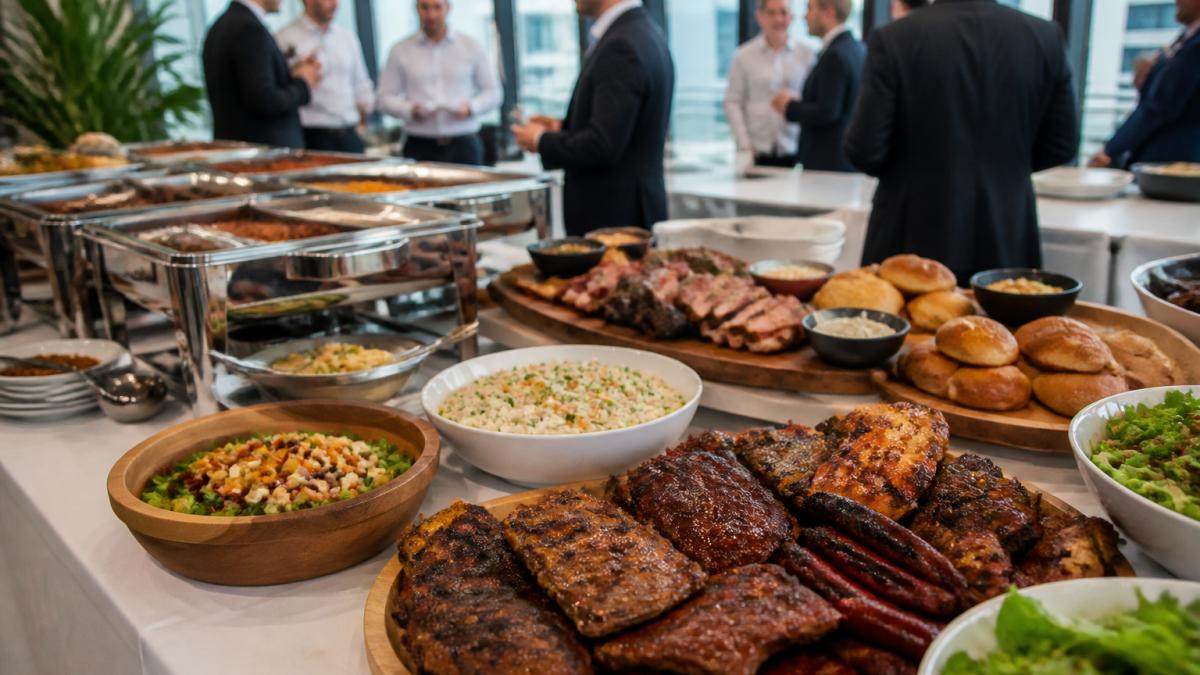
For gatherings, Shaka Braai provides whole hog and whole lamb catering for weddings, corporate events, and backyard parties. Request a quote for current pricing.
Frequently Asked Questions
Is biltong a good source of protein?
Check the label or nutrition panel of the specific product you buy.
How much protein is in biltong?
Read the label for your specific product before planning your daily intake.
Can you eat biltong on a high-protein diet?
If you have a medical condition or follow a specific medical diet, check with your doctor or a registered dietitian first.
Is biltong healthier than beef jerky?
Compare the nutrition labels directly rather than assuming one is always better.