 ultimate-guide
Is Biltong Healthy? Nutrition, Benefits & Safety Guide
Table of Contents
- What Is Biltong?
- Nutritional Profile: Is Biltong Healthy?
- Biltong vs Jerky Nutrition: Which Is Better?
- Health Benefits of Biltong
- Potential Health Risks and Sodium Content
- Is Biltong Keto Friendly? A Dietary Breakdown
- How to Store Biltong Properly for Freshness
- Quality Matters: Choosing Safe, Clean Biltong
- Frequently Asked Questions
Last Updated: September 29, 2026
What Is Biltong?
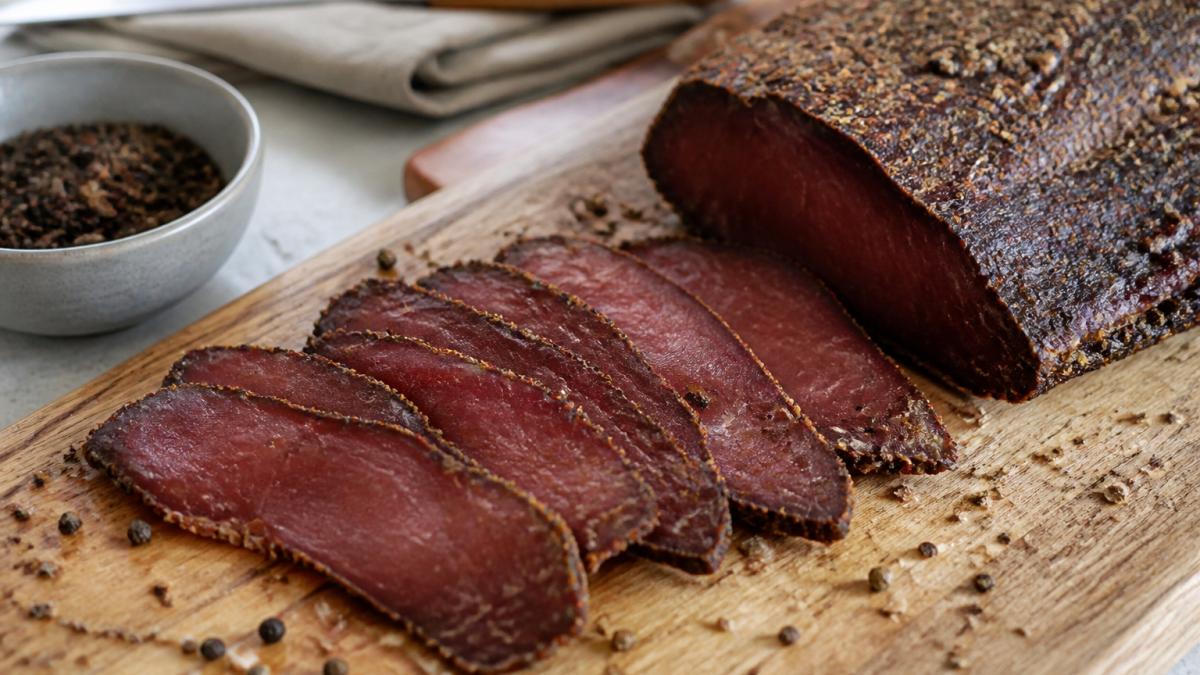
Biltong is a cured meat originating from Southern Africa, made by marinating strips of beef (or occasionally game or poultry) in vinegar, salt, and spices before air-drying them for several days to weeks. The result is a nutrient-dense, shelf-stable snack with a distinctive flavor profile shaped by the curing process. Unlike jerky, which is typically marinated in soy sauce and sugar before smoking or drying at high heat, biltong uses vinegar as its primary curing agent and relies on air-drying at room temperature. This fundamental difference in preparation creates distinct nutritional and flavor outcomes.
At Shaka Braai, we've been crafting authentic biltong for over 20 years. Our biltong is made using traditional methods and is USDA-approved. The curing process, which involves vinegar, salt, and spices, is what gives biltong its characteristic tangy taste and preserves the meat without requiring additives or artificial preservatives. Understanding this foundation is essential when evaluating whether biltong is healthy for your diet.
Nutritional Profile: Is Biltong Healthy?
Biltong is fundamentally a high-protein, low-carbohydrate snack that delivers significant amino acids and micronutrients per serving. A typical 1-ounce serving contains roughly 10-12 grams of protein, less than 1 gram of carbohydrates, and minimal fat (depending on the cut of beef used). This macronutrient profile makes it particularly attractive to people following protein-focused or low-carb dietary approaches.
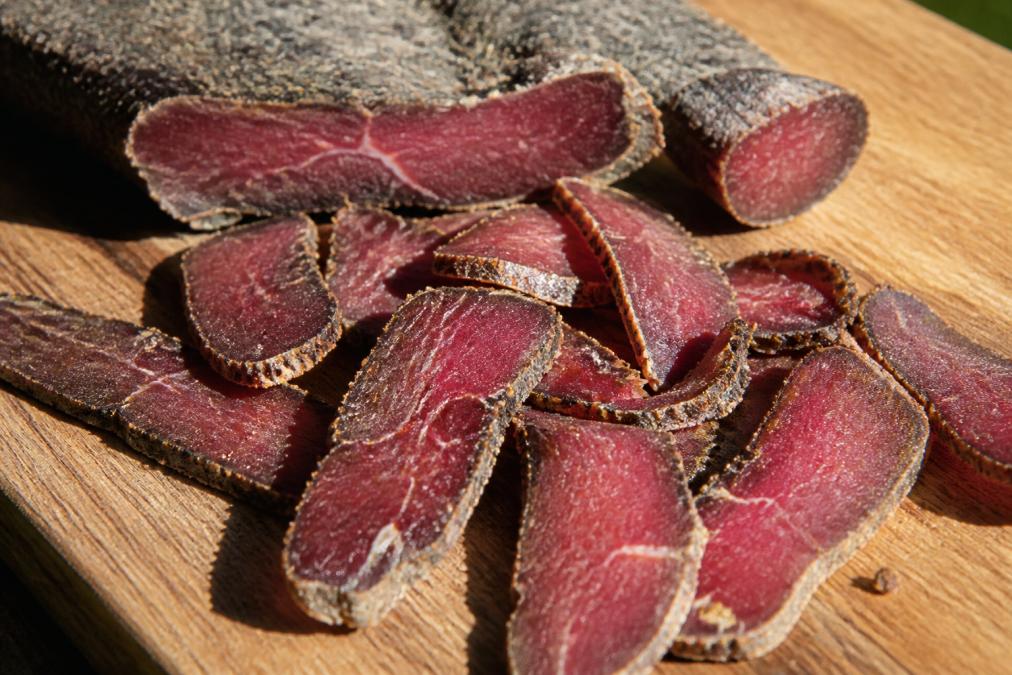
The meat also retains important micronutrients from the original beef, including iron, zinc, vitamin B12, and selenium. Iron bioavailability, the body's ability to absorb and use the iron present, is particularly high in beef products, making biltong a practical source of this mineral for people at risk of deficiency. Zinc supports immune function and wound healing, while B12 is essential for nervous system health and energy metabolism.
However, the sodium content warrants attention. The curing process requires salt, which means biltong typically contains 300-500 milligrams of sodium per ounce. For context, the FDA recommends limiting sodium intake to 2,300 milligrams per day for adults (the FDA). A few ounces of biltong can represent a meaningful portion of that daily allowance, so portion control matters for people managing blood pressure or following sodium-restricted diets.
The vinegar used in traditional curing is low in calories and contains acetic acid, which some research suggests may support satiety and stable blood sugar.
Biltong vs Jerky Nutrition: Which Is Better?
When comparing biltong and jerky nutrition, the differences come down to preparation method and added ingredients. Jerky is typically marinated in soy sauce, sugar, and sometimes honey before smoking or high-heat drying. This results in higher sugar content, often 3-5 grams per ounce, and higher sodium levels than traditional biltong. Biltong, by contrast, uses vinegar as the primary curing agent and contains minimal added sugar, making it more suitable for people tracking carbohydrate or sugar intake.
| Attribute | Biltong | Jerky |
|---|---|---|
| Protein per oz | 10-12g | 9-11g |
| Carbs per oz | <1g | 3-5g |
| Sodium per oz | 300-500mg | 400-600mg |
| Sugar per oz | 0-1g | 2-5g |
| Curing method | Vinegar + salt | Soy sauce + smoke |
| Processing | Air-dried | Smoked or high-heat dried |
Health Benefits of Biltong
The primary health benefit of biltong is its role as a convenient, nutrient-dense protein source for muscle recovery and maintenance. High-protein snacks support muscle tissue repair after exercise and help sustain satiety between meals, which can support weight management goals. The amino acid profile in beef includes all nine essential amino acids, making biltong a complete protein. A single 1-ounce serving delivers 10-12 grams of protein with minimal carbohydrate interference, making it particularly valuable for people prioritizing muscle synthesis or managing blood sugar stability.
Biltong for Paleo and Whole30 Compliance
The Paleo framework emphasizes whole, unprocessed foods and excludes grains, legumes, dairy, and refined sugars. Biltong aligns with Paleo principles because it is meat-based and requires no grain or legume ingredients. However, not all biltong is Paleo-compliant. When evaluating biltong for Paleo adherence, check the ingredient list for:
-
Added sugars: Some commercial biltong includes honey, maple syrup, or cane sugar for flavor. These violate Paleo guidelines. Look for products listing only beef, vinegar, salt, and whole spices (garlic, coriander, black pepper, etc.).
-
Soy sauce or soy-based marinades: A small number of producers use soy sauce in the curing process. Soy is excluded on Paleo, so verify the curing method is vinegar-based.
-
Additives and preservatives: Paleo excludes artificial additives, MSG, and synthetic preservatives. Biltong cured with vinegar and salt naturally avoids these, but confirm the label lists no artificial ingredients.
-
Nitrates and nitrites: While not strictly forbidden on Paleo (they occur naturally in some vegetables), many Paleo practitioners prefer to minimize them. Traditional vinegar-cured biltong avoids these compounds entirely.
-
The biltong must be cured with salt and vinegar only, no added sugars whatsoever.
-
The vinegar must be compliant (distilled white vinegar is acceptable; some specialty vinegars may contain added sugars or alcohol).
-
No nitrates, nitrites, or curing salts with additives (such as sodium nitrite mixed with salt) can be present.
-
The ingredient list must contain only beef, salt, vinegar, and whole spices.
Biltong for Low-FODMAP and Digestive Health
For people following a low-FODMAP diet (often recommended for irritable bowel syndrome management), biltong is generally well-tolerated. FODMAPs are fermentable carbohydrates that can trigger digestive symptoms in sensitive individuals. Because biltong contains virtually no carbohydrates, it is naturally low-FODMAP. However, some flavoring ingredients used in biltong can be high-FODMAP:
- Garlic and onion: Common biltong seasonings. Garlic and onion powder are high-FODMAP in moderate amounts. Plain biltong or biltong seasoned only with salt, pepper, and coriander is safer for low-FODMAP adherence.
- Honey or other sweeteners: If present, these are high-FODMAP and should be avoided.
Energy, Satiety, and Metabolic Support
Biltong's nutrient density makes it valuable for sustained energy and appetite management. The combination of complete protein and minimal carbohydrates creates a stable blood sugar response, avoiding the energy spike and crash associated with sugar-heavy snacks. This is particularly relevant for people managing diabetes, prediabetes, or pursuing stable energy levels throughout the day.
Potential Health Risks and Sodium Content
The most significant health consideration with biltong is sodium intake. A typical 2-ounce serving can deliver 600-1,000 milligrams of sodium, which is substantial for people managing hypertension or following a low-sodium diet prescribed by their healthcare provider. Those with heart disease, kidney disease, or salt-sensitive blood pressure should monitor portion sizes carefully and consult their healthcare provider about safe intake levels.
Understanding Curing Agents and Health Impact
Biltong's health profile is shaped fundamentally by how it is cured, and this distinction is often overlooked in discussions of processed meat safety. Traditional biltong uses vinegar (acetic acid) as the primary curing agent, combined with salt and spices. This vinegar-based curing process is distinct from methods using sodium nitrate or sodium nitrite, which are common in many commercial jerky products and some mass-produced cured meats.
Histamine Sensitivity and Aged Meat
Some people experience adverse reactions to aged or fermented foods due to histamine accumulation. During the curing and drying process, naturally occurring amino acids in the meat break down and form histamine. People with histamine intolerance, a condition where the body cannot efficiently break down dietary histamine due to low levels of the enzyme diamine oxidase (DAO), may experience headaches, flushing, digestive upset, or itching after consuming biltong or other aged cured meats.
Sourcing and Nutritional Quality
The quality of sourcing influences both safety and the nutrient profile relevant to health. Grass-fed beef biltong contains a more favorable omega-3 to omega-6 fatty acid ratio compared to grain-fed beef, typically a ratio closer to 1:2 or 1:3 in grass-fed versus 1:10 or higher in grain-fed beef. While the absolute amount of omega-3 in a serving of biltong is modest (usually under 100 milligrams per ounce), the relative balance matters for people prioritizing anti-inflammatory nutrition.
Is Biltong Keto Friendly? A Dietary Breakdown
Yes, biltong is exceptionally keto-friendly. The ketogenic diet requires keeping carbohydrate intake below 20-50 grams per day (depending on individual targets), and biltong delivers virtually zero carbs per serving. A 2-ounce portion fits easily into any keto meal plan without affecting ketosis.
How to Store Biltong Properly for Freshness
Proper storage ensures biltong remains safe and maintains quality for months. Unopened biltong in a sealed, airtight container or vacuum-sealed package can be stored at room temperature in a cool, dry place away from direct sunlight for 3-6 months, depending on the specific product and environmental conditions.
Quality Matters: Choosing Safe, Clean Biltong
Not all biltong is created equal. The sourcing of the meat, the curing process, and storage conditions all influence both safety and nutritional quality. When evaluating biltong, look for producers who are transparent about their sourcing and processing methods.
Frequently Asked Questions
Is biltong considered a processed meat?
Biltong is a cured meat, which means it undergoes processing through salting and drying. However, traditional biltong made without artificial preservatives or additives differs from heavily processed meats. The curing process itself, using salt, vinegar, and spices, is a preservation method rather than industrial processing. Quality matters: USDA-approved biltong without synthetic nitrates or fillers is a nutrient-dense option compared to ultra-processed snacks, though it remains a cured product.
Can you eat biltong daily, or should it be a occasional snack?
Biltong works best as an occasional snack rather than a daily staple, primarily due to sodium content. A typical serving contains significant salt from the curing process. Daily consumption could lead to excess sodium intake, which may affect blood pressure and heart health over time. For active individuals or athletes, biltong serves as an excellent post-workout protein source a few times per week. Moderation, treating it as a convenient, portable protein option rather than a meal replacement, keeps you within recommended daily sodium limits.
What makes homemade or artisanal biltong safer than mass-produced versions?
Artisanal biltong made with traditional curing methods typically avoids artificial preservatives and questionable additives common in mass-produced versions. USDA-approved producers who disclose their ingredients provide transparency about what you're consuming. Homemade biltong allows you to control salt levels, curing agents, and meat quality, though it requires proper food safety knowledge. Store-bought artisanal options from reputable makers offer the convenience of commercial production with the ingredient integrity of homemade versions.
How long does biltong stay fresh, and what's the best way to store it?
Properly cured biltong relies on proper storage to maintain safety and quality. The dehydration process and salt content act as natural preservatives. Store it in a cool, dry place away from direct sunlight and humidity. Once opened, transfer it to an airtight container or resealable bag to prevent moisture loss and oxidation. If you notice mold, off-odors, or discoloration, discard it.