 ultimate-guide
Benefits of USDA-Approved Biltong: A 2026 Guide
Table of Contents
- What Is USDA-Approved Biltong?
- Why USDA-FSIS Meat Safety Standards Matter for Biltong
- Nutritional Profile: Protein Density and Macronutrients
- Biltong vs. Beef Jerky Nutrition: What Sets Them Apart
- Health Benefits for Keto and Low-Carb Diets
- Clean Ingredients and Minimal Processing
- How to Choose High-Quality USDA-Approved Biltong
- Conclusion
- Frequently Asked Questions
Last Updated: October 2, 2026
What Is USDA-Approved Biltong?
USDA-approved biltong is a cured, air-dried beef snack that meets federal meat safety standards established by the USDA's Food Safety and Inspection Service (FSIS). Unlike many international cured meats, biltong sold in the United States must undergo rigorous pathogen reduction processes and federal inspection to ensure safety for consumers.
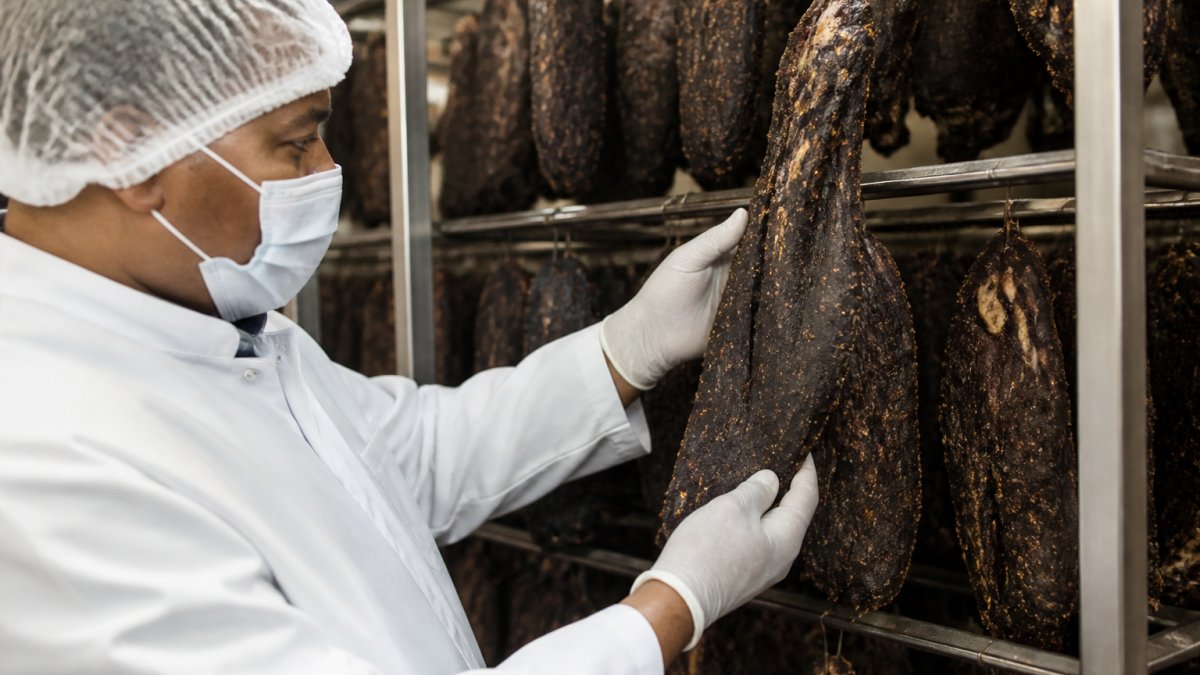
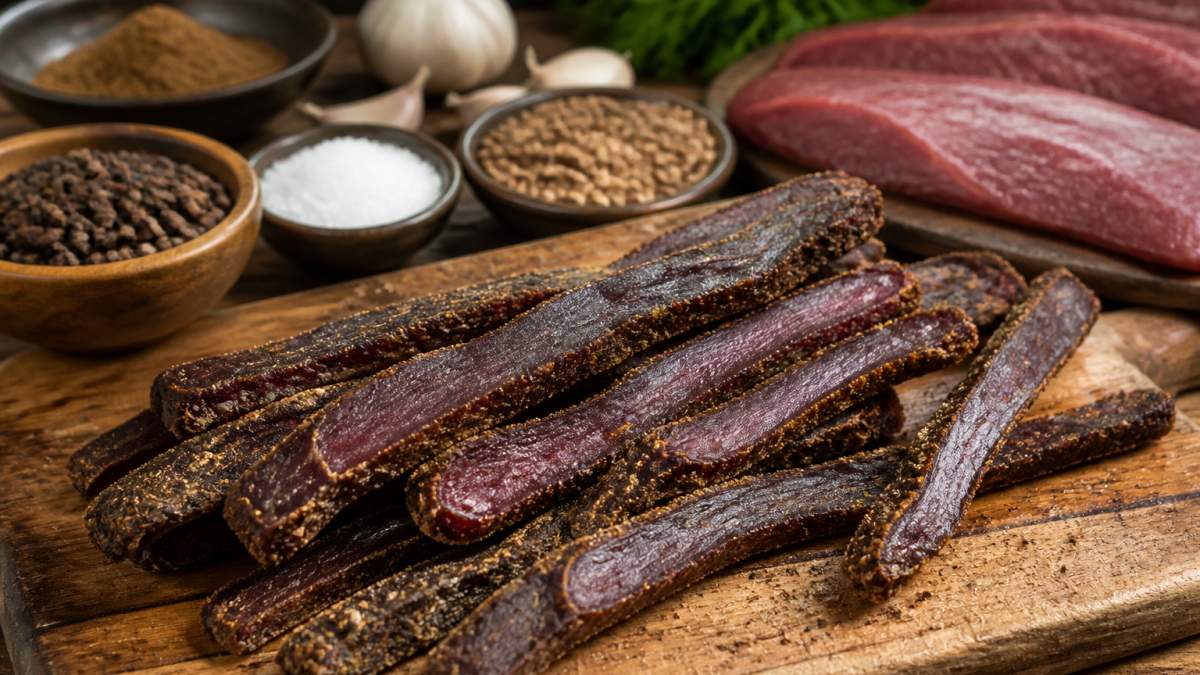
Traditional biltong originates from South Africa, where it has been prepared for centuries using simple methods: quality beef cuts, salt, spices, and time. The modern USDA-approved version maintains this philosophy while meeting contemporary food safety requirements. The curing process typically involves coating beef strips with salt and spices, then hanging them to air-dry for one to three weeks, depending on thickness and environmental conditions.
What makes USDA-approved biltong distinct is the validation process behind it. Producers must demonstrate that their methods achieve a 5-log reduction in Salmonella and other pathogens, a scientific benchmark that confirms safety. This means the product has been tested and verified to meet federal standards, giving consumers confidence in what they're purchasing. Shaka Braai's USDA-approved biltong and droewors offer authentic South African flavors without compromising on regulatory compliance.
Why USDA-FSIS Meat Safety Standards Matter for Biltong
Federal meat safety standards exist because cured and dried meats present unique food safety challenges. Unlike fresh beef that's cooked before eating, biltong is consumed raw after curing. This means the curing and drying process itself must eliminate or reduce harmful bacteria to safe levels.
The USDA-FSIS oversees all meat products sold commercially in the United States, including imported and domestically produced cured meats. For biltong specifically, producers must follow established guidelines that govern salt concentration, moisture levels, pH, and time-temperature relationships during the curing and drying phases.
Pathogen Reduction and the 5-Log Process
The 5-log reduction is a specific microbial safety target that producers must achieve and validate. This means reducing Salmonella populations by 99.999 percent through the curing and drying process. Achieving this reduction requires precise control over multiple factors: salt concentration (typically 15-25 percent of meat weight), curing time (minimum several days), drying conditions (temperature, humidity, air circulation), and final moisture content (typically 30-40 percent).
Producers validate their process by conducting challenge studies, intentionally inoculating meat with Salmonella under worst-case conditions, then testing whether their standard procedures achieve the required reduction. This science-backed approach ensures that every batch produced under those validated conditions meets the safety standard. The validation happens once; ongoing production relies on consistent adherence to the validated parameters.
Federal Inspection and Regulatory Compliance
USDA-FSIS inspection covers both the facility and the process. Inspectors verify that equipment is clean, that ingredients meet standards, and that records document compliance with the validated process. For biltong, this means inspectors check salt levels, monitor drying conditions, verify that finished products meet moisture specifications, and ensure proper labeling.
Regulatory compliance also requires accurate labeling. Products must clearly identify ingredients, specify that they're USDA-inspected, and include allergen warnings if applicable. Producers must maintain detailed records of each batch, ingredient sources, processing parameters, testing results, to demonstrate traceability and accountability. When you purchase USDA-approved biltong, you're buying a product backed by this documented safety verification.
Nutritional Profile: Protein Density and Macronutrients
Biltong delivers exceptional protein density relative to its weight and serving size. A typical 1-ounce serving contains approximately 15-18 grams of protein, making it one of the highest-protein snacks available per unit weight. This concentration results from the dehydration process: removing water concentrates the protein content of the original beef.
Beyond protein, biltong's macronutrient profile reflects its source ingredient, lean beef, and the minimal processing used. A serving typically contains minimal carbohydrates (usually under 1 gram) and moderate fat content (3-6 grams), depending on the beef grade used. The fat profile mirrors beef's natural composition, including oleic acid and other fatty acids that support nutrient absorption and satiety.
Amino acid bioavailability in biltong is high because the drying process doesn't denature proteins the way high-heat cooking does. The amino acids remain intact and readily available for muscle protein synthesis, making biltong particularly valuable for athletes and individuals focused on muscle recovery. Complete proteins contain all nine essential amino acids in adequate proportions; beef-based biltong qualifies as a complete protein source.
Biltong vs. Beef Jerky Nutrition: What Sets Them Apart
While biltong and beef jerky both start with beef and involve drying, their nutritional profiles and ingredient lists often differ significantly. The distinction stems from preparation method and ingredient choices.
Beef jerky is typically marinated in a liquid mixture containing sugar, soy sauce, and spices, then dried at higher temperatures. This process often results in higher sugar content (5-10 grams per serving in many commercial varieties) and sometimes includes added preservatives like sodium nitrite. The faster, hotter drying reduces processing time but can affect nutrient density.
Biltong, by contrast, uses a dry-cure method with salt and spices, no liquid marinade. This approach typically results in zero added sugar and relies on salt and low moisture for preservation rather than chemical additives. The slower air-drying process preserves more of the original beef's nutritional integrity. A typical biltong serving contains far less sugar than comparable jerky and relies on the curing process itself for food safety rather than preservatives.
The texture difference reflects this: jerky tends toward brittleness due to higher-temperature drying, while biltong maintains a chewier texture from slower air-drying. Nutritionally, this matters because the lower drying temperature in biltong production better preserves heat-sensitive nutrients and protein structure. For individuals following low-carb or keto diets, the sugar difference is decisive, biltong typically contains negligible carbohydrates while many jerky products exceed acceptable carb limits per serving.
Health Benefits for Keto and Low-Carb Diets
Biltong aligns exceptionally well with ketogenic and low-carb dietary approaches because it delivers protein and fat with virtually zero carbohydrates. A single serving provides satiety and stable energy without triggering blood sugar spikes or insulin responses. This makes biltong an ideal keto snack for maintaining ketosis during the day or managing hunger between meals.
The fat content in biltong, primarily from the beef itself, includes saturated and unsaturated fats that support ketone production and sustained energy.
Clean Ingredients and Minimal Processing
The appeal of USDA-approved biltong extends beyond nutrition to ingredient philosophy. Quality biltong contains beef, salt, and spices, nothing more. No sugar, no preservatives, no fillers, no binders. This simplicity reflects the original South African method, adapted to meet modern food safety standards.
How to Choose High-Quality USDA-Approved Biltong
Selecting quality biltong requires attention to sourcing, processing transparency, and regulatory verification. Not all biltong labeled as "USDA-approved" represents the same level of quality or care in production.
Reading Labels for Transparency
Labels provide critical information if you know what to look for. The nutrition facts panel reveals protein content (aim for 15+ grams per ounce), carbohydrate content (should be near zero), and sodium levels (typically 300-500 mg per serving due to salt curing). High sodium is expected in cured meats; compare across products to find options within your dietary needs.
Sourcing and Batch Testing
High-quality producers source beef from specific cattle grades and document their supply chain. Grass-fed or grass-finished beef, when specified, indicates attention to ingredient quality. Some producers source from local ranches, reducing transportation distance and supporting regional agriculture. These details, when available on packaging or a producer's website, signal commitment to quality beyond minimum regulatory requirements.
Conclusion
USDA-approved biltong represents the intersection of traditional food preparation and modern food safety science. It delivers exceptional protein density, clean ingredients, and minimal processing in a shelf-stable snack that supports diverse dietary approaches from keto to athletic recovery.
Frequently Asked Questions
Is USDA-approved biltong legal to buy and eat in the United States?
Yes. USDA-approved biltong is fully legal in the United States when produced under FSIS regulations and federal inspection. The FSIS (Food Safety and Inspection Service) ensures all dried meat products meet food safety standards before they reach consumers. Products labeled as USDA-approved have undergone pathogen reduction validation and batch testing, making them safe for consumption. Always verify certification on the package or from the producer.
What makes USDA-approved biltong safer than non-certified versions?
USDA-FSIS meat safety standards require validated pathogen reduction processes, including the 5-log reduction of harmful bacteria like Salmonella. This means the production process eliminates 99.999% of potential pathogens. Federal inspection verifies that each batch meets these standards before sale. Non-certified versions skip this validation, leaving food safety unverified. Regulatory compliance through FSIS inspection is your assurance of foodborne illness prevention.
How does biltong compare nutritionally to beef jerky?
Biltong typically has higher protein density and superior amino acid bioavailability compared to beef jerky. The air-dried curing process in biltong preserves more complete proteins without the added sugars often found in jerky. Biltong is sugar-free and nitrate-free when properly made, while many jerky brands contain added sugars and curing salts. For keto and low-carb diets, biltong offers a cleaner macronutrient profile with minimal processing and no unnecessary additives.
Is biltong good for muscle recovery and athletic performance?
Yes. Biltong's high protein density and complete amino acid profile make it ideal for post-workout recovery. The bioavailability of proteins in air-dried biltong is efficiently absorbed by the body, supporting muscle repair and growth. Its shelf-stable nature and portability make it convenient for athletes and active individuals. A single serving provides substantial lean beef protein without the carbohydrates or fillers found in many commercial sports snacks.
Can I eat biltong every day as part of a healthy diet?
Moderation is key. While USDA-approved biltong is nutrient-dense and safe, daily consumption should fit within your overall macronutrient and sodium goals. Biltong contains curing salts necessary for food safety and shelf stability, so those monitoring sodium intake should check labels. For active individuals and those following keto or low-carb diets, biltong is an excellent daily snack option. Consult a healthcare provider if you have specific dietary restrictions or health conditions.
What should I look for on a biltong label to ensure quality and authenticity?
Look for USDA-FSIS certification marks. Check the ingredient list for minimal processing: lean beef grade, salt, spices, and no artificial preservatives. Verify that the product claims to be air-dried or traditionally cured, not chemically treated. Transparent labeling should include the producer's name, facility location, and production date. Avoid products with vague sourcing information or excessive additives. Reputable producers provide label transparency and are willing to share their regulatory compliance details.