 Ultimate guide
Preservative-Free Diet for Families: Benefits & Guide
Table of Contents
- What a Preservative-Free Diet Means for Your Family
- Why Families Are Choosing Preservative-Free Foods
- Food Preservatives and Child Health: What You Need to Know
- Natural vs Artificial Preservatives: Understanding the Difference
- How to Avoid Preservatives in Food: Practical Steps
- Preservative-Free Foods for Kids: Building Better Eating Habits
- Making the Transition: A Family Action Plan
- Frequently Asked Questions
Last Updated: October 18, 2026
What a Preservative-Free Diet Means for Your Family
A preservative-free diet eliminates or minimizes artificial preservatives, synthetic additives, and chemicals used to extend shelf life in packaged foods. For preservative-free diet families, that means choosing whole foods, minimally processed options, and products made with natural ingredients instead of artificial colors, flavors, or stabilizers.
The shift toward a preservative-free diet for families reflects growing awareness that what we eat affects our health, energy, and long-term wellness. Many families find that cutting artificial preservatives brings fewer digestive complaints, clearer skin, and steadier energy. This isn't about perfection, it's about intentional choices.
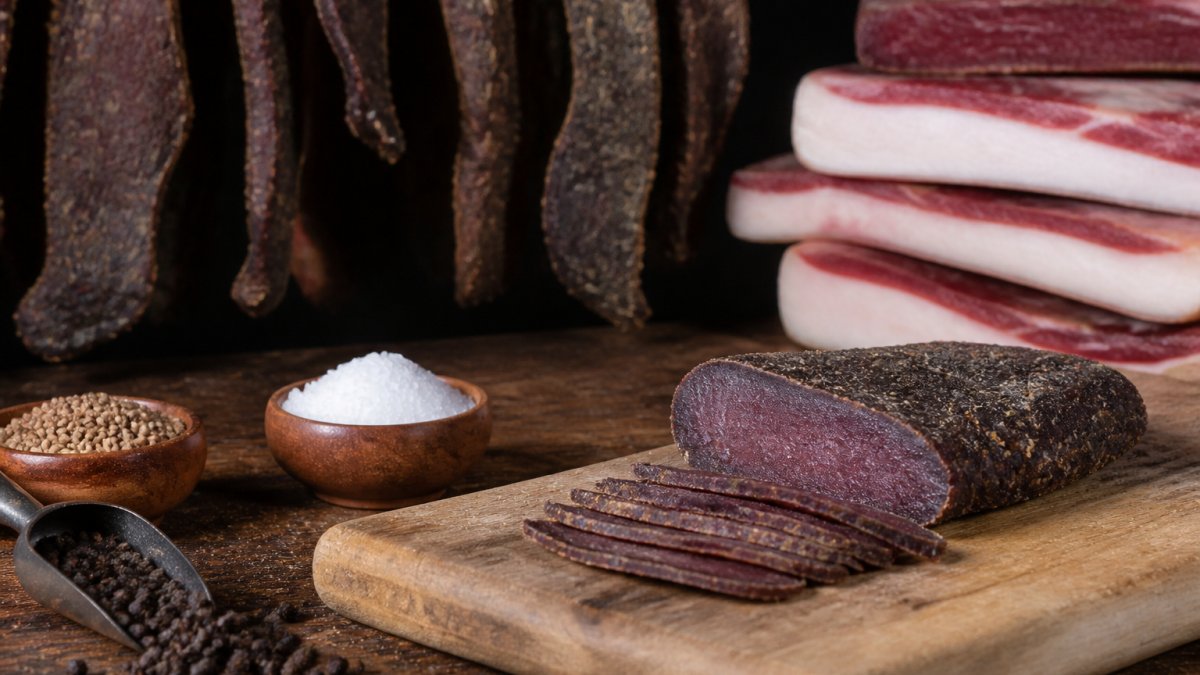
At Shaka Braai, we understand that families want real food without unnecessary additives. Our USDA-approved biltong and droewors are made the traditional South African way: with fresh, locally sourced ingredients and no artificial preservatives. They're ready to eat straight from the package, making it simple for busy families to choose quality protein without compromise.
Most packaged foods contain preservatives you've probably never heard of: sodium benzoate, potassium sorbate, BHA, BHT. A preservative-free approach removes that guesswork and lets your family eat with confidence.
Why Families Are Choosing Preservative-Free Foods
Parents today are asking harder questions about the food on their tables. The shift toward preservative-free foods for kids isn't driven by fear, it's driven by evidence. When families reduce artificial additives, they often notice better digestion, and simpler ingredient lists they can actually understand.
Many families report that minimally processed foods reduce unexplained reactions in their children.
Families assume avoiding preservatives means hours in the kitchen. In practice, choosing preservative-free snacks like biltong or whole fruits takes the same time as grabbing a processed bar, you're just making a different choice at the store.
Clean eating has become a baseline expectation for health-conscious families. Once you read labels and see what's really in "kid-friendly" snacks, the motivation to find alternatives becomes clear. Families choosing preservative-free foods aren't being extreme; they're being intentional.
Food Preservatives and Child Health: What You Need to Know
Food preservatives serve a real purpose in food safety and shelf life, but their role in children's development deserves a clear-eyed look at what the evidence shows, and what it doesn't. The research is mixed, and much of what circulates online outruns the science.
What preservatives actually do. Artificial preservatives like sodium benzoate, potassium sorbate, BHA, BHT, and TBHQ prevent bacterial growth, slow oxidation, and extend shelf life, reducing spoilage and foodborne illness risk. The question isn't whether they work, it's whether daily exposure at dietary amounts carries risks for children whose bodies are still developing.
What the evidence supports. Some people with asthma or sulfite sensitivity (sulfites appear in dried fruit, some wines, and certain processed foods) can experience reactions, which is why sulfites must be declared on labels. Sodium benzoate combined with certain food dyes has been studied for a possible link to hyperactivity in some children, though the effect appears limited to a subset and the research is not conclusive (pubmed.ncbi.nlm.nih.gov).
What remains uncertain or proposed. Claims that artificial preservatives broadly cause behavioral problems, poor sleep, or developmental issues in all children are not established. Individual families do report patterns worth taking seriously, but noticing a change after removing a food isn't proof the preservative caused it. Overall diet quality, sleep, activity, and the fact that minimally processed foods tend to be more nutrient-dense often explain the improvement.
How to think about it as a parent. Focus on the whole food rather than treating preservatives as a single yes-or-no hazard. A packaged food with a preservative but a short, recognizable ingredient list and solid nutrition may beat a preservative-free product loaded with sugar and refined flour. If you suspect a specific additive, keep a food and symptom log for a few weeks and bring it to your pediatrician rather than eliminating foods broadly, which can remove nutrients and create anxiety around food.
The practical takeaway. Reducing artificial preservatives is a reasonable goal, especially as a side effect of eating more whole and minimally processed foods. But it's one lever among many, best paired with attention to overall diet quality and portion. Small, sustainable shifts, like swapping one processed snack for a whole-food option, compound over time.
Natural vs Artificial Preservatives: Understanding the Difference
Not all preservatives are created equal. Understanding the difference between natural and artificial preservatives helps families make choices aligned with their values and health goals.
Artificial preservatives like BHA, BHT, sodium benzoate, and potassium sorbate are synthetic compounds created in laboratories, designed to be highly effective at preventing bacterial growth and extending shelf life. The FDA approves them based on safety testing, but many families prefer to minimize synthetic chemical exposure when alternatives exist.
Natural preservatives include salt, sugar, citric acid, vitamin E, and rosemary extract, which occur naturally in food or derive from plant sources. While "natural" doesn't automatically mean "safer," many families feel more comfortable with preservatives they recognize. Salt has preserved meat for centuries; vitamin E is an antioxidant found in nuts and seeds.
The practical difference: natural preservatives often mean shorter shelf life or refrigeration, while artificial preservatives let products sit on shelves for months. A biltong made with salt and spices contains ingredients you can pronounce.
Traditional methods like smoking, salting, and curing have preserved food for thousands of years without synthetic additives, creating environments where bacteria can't survive. Modern families can access these traditionally preserved foods more easily than ever.
How to Avoid Preservatives in Food: Practical Steps
Avoiding preservatives doesn't mean overhauling your diet overnight. It means reading labels with a specific eye, knowing where preservatives hide, and building storage habits that keep shorter-shelf-life food safe.
Step 1: Learn the names, not just the category. Preservatives appear near the end of ingredient lists under unfamiliar names. Watch for sodium benzoate and potassium sorbate (acidic foods and drinks), BHA and BHT (fats and cereals), TBHQ (processed oils and snacks), and sulfites like sulfur dioxide and sodium bisulfite (dried fruit).
Step 2: Tell preservatives apart from other additives. Not every unfamiliar ingredient is a preservative. Emulsifiers (lecithin), thickeners (xanthan gum), colors (Red 40), and flavors are added for texture, appearance, or taste, not shelf life. Focus on the shelf-life ingredients rather than treating every additive the same.
Step 3: Shop the perimeter, then read the center aisles. Fresh produce, meat, dairy, and eggs don't need preservatives. The center aisles hold most processed foods, but not all center-aisle items are equal. Canned beans, plain frozen vegetables, and dry grains are minimally processed and preservative-free.
Step 4: Use the short-list rule as a starting filter. A short ingredient list is a useful first pass, but length alone isn't the whole story, a five-ingredient product can still be high in added sugar. Use the list to spot preservatives, then check the nutrition panel for added sugars, sodium, and fiber.
Step 5: Plan for shorter shelf life and store food safely. Foods without artificial preservatives spoil faster, so refrigeration, freezing, and safe handling matter more.
Step 6: Weigh cost, convenience, and waste honestly. Whole foods and quality proteins often cost more per serving, and shorter shelf life can mean spoilage if you overbuy. Plan meals around what you'll actually eat in a week, buy frozen produce (minimally processed and often cheaper), and choose one or two quality protein sources your family loves rather than stocking many.
Step 7: Buy from sources you trust and ask questions. Farmers markets, local butchers, and specialty providers often prioritize transparency. Ask how a product is made and what goes into it. At Shaka Braai, we're transparent: fresh, locally sourced ingredients, USDA-approved production, and no artificial preservatives.
Preservative-Free Foods for Kids: Building Better Eating Habits
Children raised on whole, minimally processed foods develop different taste preferences than those raised on heavily processed snacks. This isn't about restriction, it's about exposure and preference formation.
Kids who regularly eat fresh fruit, whole grains, and quality proteins often naturally prefer them over highly processed alternatives. A child who snacks on biltong instead of processed meat sticks learns that real food tastes different, and often better. That foundation lasts into adulthood.
Building preservative-free eating habits for kids works best when the whole family participates. If parents eat processed snacks while expecting kids to choose whole foods, the message gets mixed. When everyone prioritizes minimally processed options, kids learn this is simply how your family eats, not a punishment.
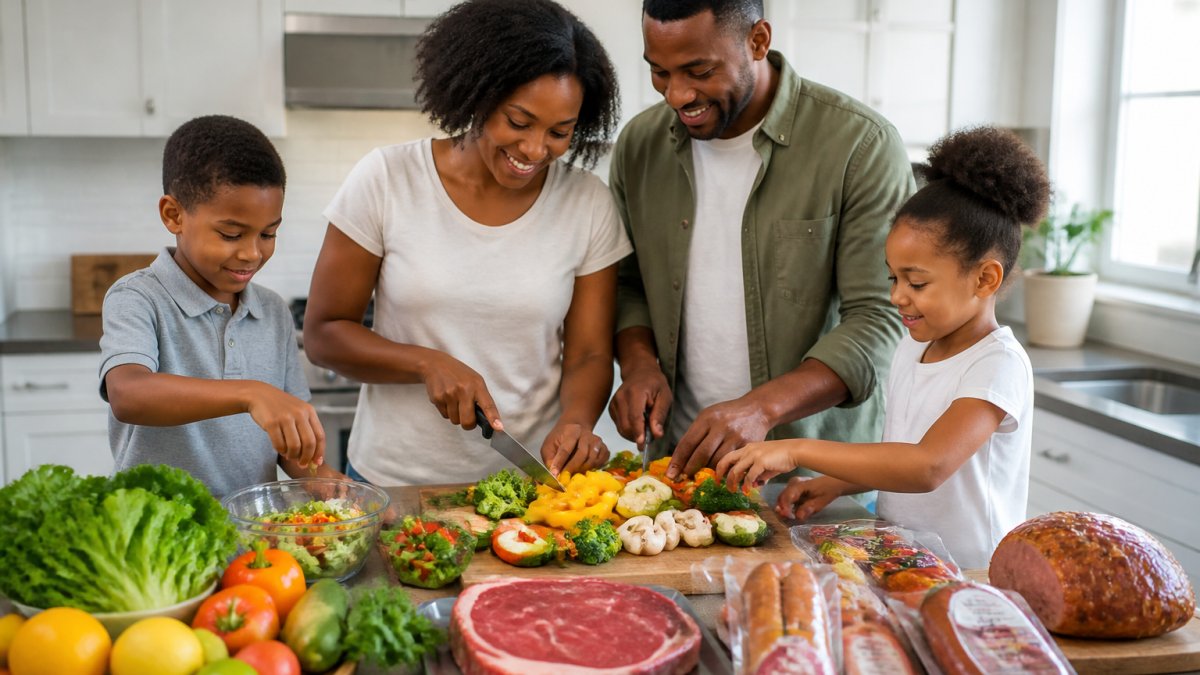
Involve children in meal preparation. Kids who help choose vegetables, prepare snacks, or cook dinner develop ownership over their food choices and are more likely to eat what they've helped create.
Make preservative-free snacking convenient. Keep cut vegetables, fresh fruit, nuts, and quality protein visible and accessible. When healthy choices are easier than processed alternatives, kids gravitate toward them, a bowl of biltong on the counter gets grabbed before a box of processed crackers in a cabinet.
Making the Transition: A Family Action Plan
Switching to a preservative-free diet doesn't happen overnight and doesn't require perfection. For preservative-free diet families, a gradual, family-wide approach works better than sudden restrictions.
Week 1-2: Audit and educate. Spend a few days reading labels on foods your family eats and note which contain artificial preservatives. Don't change anything yet, just observe.
Week 3-4: Make one swap. Choose one category, snacks, breakfast, or lunch, and replace processed options with preservative-free alternatives. If your family normally eats granola bars, try fresh fruit or nuts. If cereal is standard, try oatmeal or eggs.
Week 5-8: Expand gradually. Add another category, dinner proteins or packaged side dishes. Each week, replace one processed staple with a whole-food alternative. This pace prevents overwhelm and gives your family time to adjust.
Month 2-3: Build your preservative-free pantry. Stock quality oils, spices, whole grains, nuts, dried fruit, and quality proteins like biltong. When your pantry is set up for success, preservative-free choices become automatic.
Ongoing: Focus on progress, not perfection. Some meals will include preservatives, and that's okay. The goal is reducing overall exposure, not 100% purity. Aim for 80-90% of meals and snacks to be preservative-free, and give yourself grace on the rest.
Affordability matters. Whole foods and quality proteins cost more than some processed alternatives. Start with one or two quality protein sources your family loves, and build from there.
Making the shift to a preservative-free diet for families is one of the most impactful decisions you can make for your household's long-term health and wellness. The transition doesn't require perfection, it requires intention.
Frequently Asked Questions
What are the main health benefits of a preservative-free diet for families?
A preservative-free diet reduces your family's exposure to synthetic chemicals and artificial additives. Minimally processed foods typically contain higher nutrient density, meaning your family gets more vitamins and minerals per serving.
How can families reduce preservatives in their diet without breaking the budget?
Start by reading ingredient labels and replacing one or two high-preservative items per week with fresh or minimally processed alternatives. Buy seasonal produce, which costs less and requires no preservatives. Choose whole foods like fresh meats, eggs, and legumes instead of pre-packaged options. Batch-cook and freeze meals at home to reduce reliance on shelf-stable packaged snacks. High-quality artisanal options like USDA-approved cured meats without additives can replace processed deli meats while offering better nutrition.
Are natural preservatives safer than artificial ones?
Natural preservatives like salt, smoke, and vitamin E work through different mechanisms than synthetic additives, they inhibit bacterial growth without synthetic chemicals. However, 'natural' doesn't automatically mean risk-free; some people react to natural preservatives just as they do to artificial ones. For families with sensitivities, eliminating both artificial and some natural preservatives may be necessary; consulting a healthcare provider helps identify which additives affect your family.
How long do preservative-free foods actually stay fresh?
Shelf life depends on the food type and storage method. Fresh produce lasts 5-14 days in the refrigerator. Frozen meals stay fresh for 3-4 months. The key is proper storage: keep foods in airtight containers, refrigerate or freeze promptly, and check labels for specific storage guidance.