 ultimate-guide
Biltong USA: Guide to Authentic South African Cured Beef
Table of Contents
- What Is Biltong and Why It's Gaining Popularity in the USA
- The Traditional South African Curing and Air-Drying Process
- Beef Biltong vs. Jerky: Key Differences That Matter
- Is Biltong Keto Friendly and Nutritionally Dense
- Premium Meat Sourcing and USDA Approval Standards
- How to Eat Biltong: Storage, Pairing, and Serving Ideas
- Finding Authentic Biltong in the USA
- Frequently Asked Questions
Last Updated: September 27, 2026
What Is Biltong and Why It's Gaining Popularity in the USA
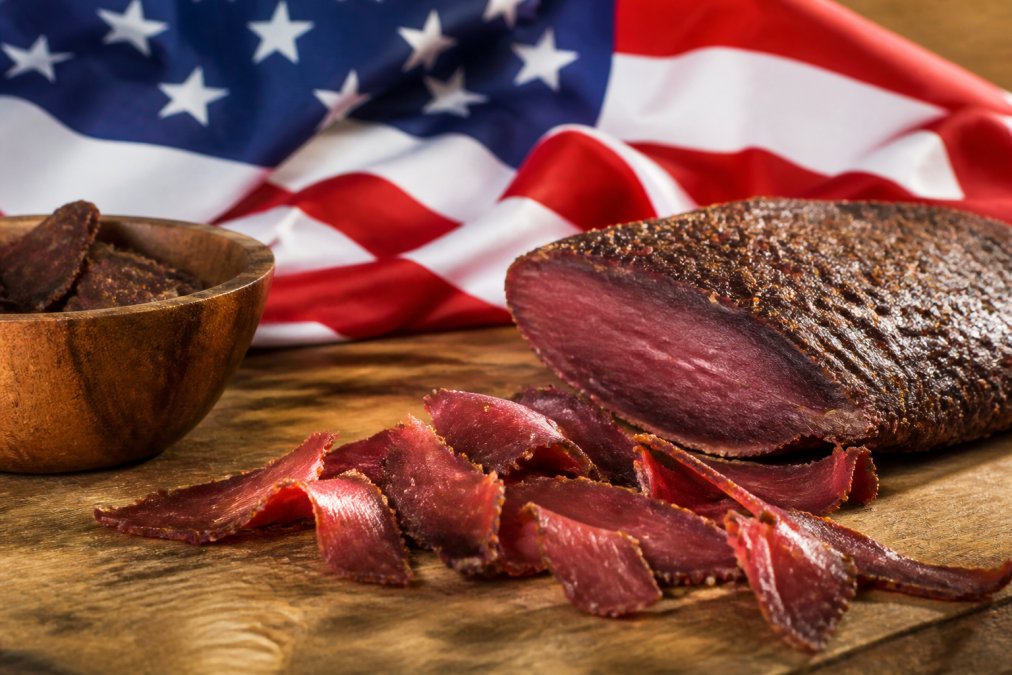
Biltong is a cured and air-dried beef product that originates from South African culinary tradition, offering a protein-dense snack fundamentally different from American jerky. The term comes from Dutch words "bil" (buttock) and "tong" (strip), referring to the specific cut and preparation method that defines authentic biltong USA products.
Traditional biltong relies on slow air-drying that preserves moisture and develops complex flavors, creating a tender texture jerky cannot match.
The growing interest in biltong USA reflects a shift toward high-protein, preservative-free snacks that deliver genuine nutritional value without additives found in conventional processed meats. Health-conscious consumers, athletes, and food enthusiasts are discovering that biltong offers authentic international flavor backed by serious nutritional density.
The market for biltong USA has expanded as South African expatriates share their culinary heritage and mainstream consumers recognize the difference between authentic preparation and mass-market imitations.
The Traditional South African Curing and Air-Drying Process
Authentic biltong USA uses salt, vinegar, and spices applied to beef cuts, followed by slow air-drying over two to three weeks, fundamentally different from industrial dehydration.
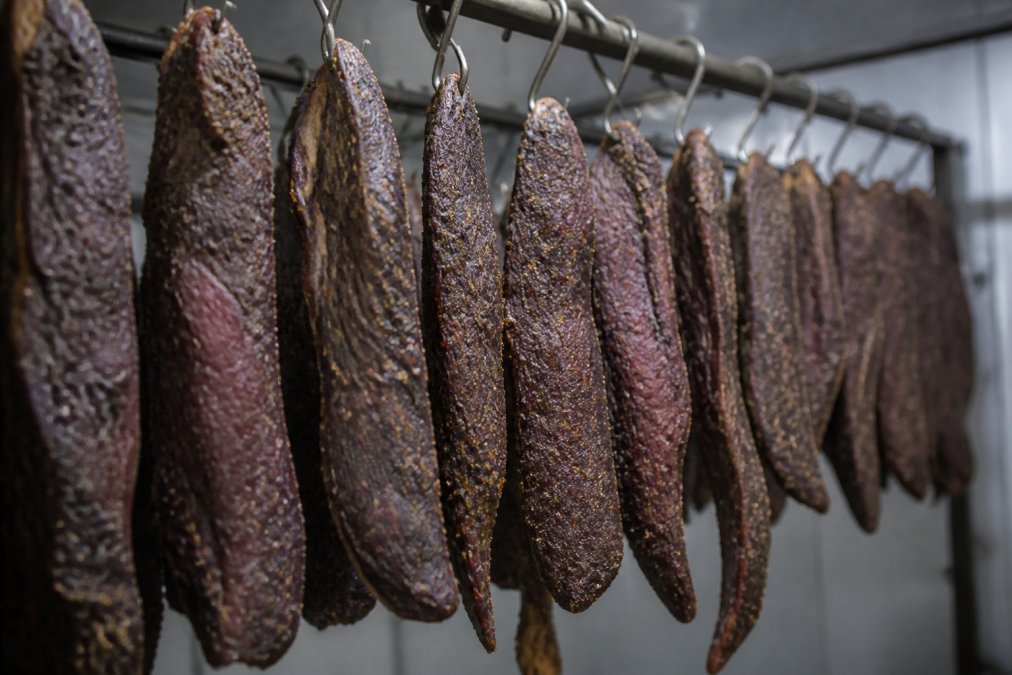
The process begins with lean beef cuts from the hindquarters, sliced thumb-thick and coated with a coriander, salt, and vinegar blend that penetrates over several days.
The air-drying phase is where the real work happens. Unlike jerky's rapid heat dehydration, biltong dries naturally in controlled conditions, preserving tenderness while spice flavors develop. Vinegar adds flavor and contributes to food safety.
Modern USDA-approved producers maintain specific temperature and humidity conditions to ensure consistent results and safety, creating a shelf-stable product without chemical preservatives.
Beef Biltong vs. Jerky: Key Differences That Matter
Beef biltong vs. jerky are not interchangeable, the differences run deeper than appearance or flavor.
Jerky uses high-temperature dehydration within hours, creating brittle texture and concentrated salt. Biltong uses slow air-drying with salt and vinegar, producing a tender, sliceable product requiring less aggressive seasoning.
Jerky snaps when bitten; biltong yields to your teeth, revealing layers of flavor. This results from preparation methods: heat-drying changes meat structure differently than gentle air-drying used for biltong USA.
Conventional jerky contains added sugars, sodium nitrite, and preservatives. Authentic biltong USA relies on salt, vinegar, and spices, a preservative-free approach possible because of slow curing.
Both deliver high protein, but biltong's higher moisture content means you consume more actual meat structure, not just concentrated proteins.
Is Biltong Keto Friendly and Nutritionally Dense
Is biltong keto friendly? Yes, when sourced from quality producers using traditional methods. The low-carb profile makes biltong USA an ideal fit for ketogenic and paleo diets, offering portable protein without the carbohydrate load of conventional snacks.
Authentic biltong contains virtually no carbohydrates, the curing uses salt and vinegar, not sugar-based marinades, contrasting sharply with commercial jerky products.
Biltong USA's slow air-drying preserves meat structure, delivering dense, bioavailable protein. The texture requires more chewing, enhancing satiety, making it more satisfying than jerky for athletes and active individuals.
Biltong offers iron, zinc, and B vitamins that survive curing, plus phytonutrients from spices like coriander. Choosing biltong USA from producers using grass-fed beef and minimal additives delivers a nutrient-dense whole-food product.
Mass-produced biltong that cuts corners on curing time or adds fillers loses nutritional advantages. Authentic preparation preserves the profile that makes biltong USA appealing to health-conscious consumers.
Premium Meat Sourcing and USDA Approval Standards
Biltong USA quality depends entirely on beef sourcing, understanding which cuts work best and why matters.
Authentic biltong uses lean hindquarter cuts (topside, silverside, eye of round) with minimal intramuscular fat, allowing salt and vinegar to penetrate evenly. Higher-fat cuts like brisket don't cure effectively because fat blocks salt penetration.
Grass-fed versus grain-fed beef creates measurable flavor differences that directly impact the final biltong product. Grass-fed beef contains higher CLA and omega-3 levels, contributing to complex, slightly gamey flavor that interacts with coriander, vinegar, and salt to create layered taste. Grain-finished beef tends toward milder flavor and requires more aggressive seasoning.
The curing process is a food safety mechanism. Salt reduces water activity below 0.85, preventing Salmonella and Listeria survival. Vinegar lowers pH below 4.6, creating an acidic environment hostile to pathogens. Together, these factors eliminate foodborne pathogens without chemical preservatives or high-heat processing.
USDA approval represents verification that a producer's facility, equipment, and process controls maintain these safety parameters consistently. USDA-inspected facilities must document their curing times, salt concentrations, and drying conditions to demonstrate that finished products reliably achieve the water activity and pH levels required for safety. This isn't a marketing claim, it's a verifiable certification backed by federal oversight. Producers who can provide USDA inspection documentation and explain their specific curing parameters (salt percentage, vinegar type, drying duration, and target water activity) are demonstrating genuine commitment to both safety and quality.
When evaluating biltong USA products, ask producers about their beef sourcing specifics: the cut name, whether the animal was grass-fed or grain-finished, and the geographic origin if possible. Request documentation of their curing process, the salt concentration used, the vinegar type, the drying duration, and ideally, their target water activity level. Producers who can articulate these details transparently are operating with scientific rigor. Those who offer vague descriptions like "cured for a few weeks" or "until it looks right" are cutting corners on the precision that separates authentic biltong from inferior imitations.
How to Eat Biltong: Storage, Pairing, and Serving Ideas
Biltong USA works as a standalone snack, but its versatility extends well beyond that. Understanding how to store, serve, pair, and cook with biltong maximizes both enjoyment and the product's potential in your kitchen.
Storage and Shelf Life
Properly cured biltong remains shelf-stable for extended periods when kept in cool, dry conditions. An unopened package will maintain quality for several months at room temperature. Once opened, store biltong in an airtight container, a glass jar with a tight seal works well, and it will maintain quality for three to four weeks at room temperature, or up to two months if refrigerated. Unlike fresh meat or some jerky products, authentic biltong doesn't require refrigeration immediately after opening because the curing process has already eliminated the conditions bacteria need to survive. However, refrigeration slows any oxidation of the remaining fat and extends freshness if you prefer it.
Charcuterie and Appetizer Applications
The tender texture of biltong USA invites different presentation approaches than jerky. Slice it thin (roughly 1/8 inch) for charcuterie boards, where it becomes a sophisticated protein centerpiece. The umami-rich character of properly cured beef complements aged cheeses, cured charcuterie, and fermented vegetables. On a charcuterie board, biltong sits comfortably alongside aged cheddar or gouda, cured prosciutto, pickled vegetables, and artisanal crackers. The vinegar notes in the cure create interesting flavor bridges with acidic components, the acidity in pickled onions or cornichons echoes the vinegar in the biltong's seasoning, creating harmony rather than competition.
For events and gatherings, biltong offers professional presentation potential. Sliced thin and arranged on a platter with fresh herbs (cilantro or parsley complement the coriander notes), it becomes an elegant protein option that demonstrates culinary sophistication. The visual appeal of properly cured biltong, the deep mahogany color and visible spice coating, makes it a centerpiece-worthy component of any spread.
Culinary Integration Beyond Snacking
Biltong's tender structure and concentrated flavor make it an underutilized ingredient in actual cooking. Unlike jerky, which remains brittle and difficult to incorporate into dishes, biltong can be diced, shredded, or crumbled to integrate into recipes.
Salads and grain bowls: Tear or dice biltong into bite-sized pieces and add to green salads, grain bowls, or composed salads with roasted vegetables. The protein density and umami flavor eliminate the need for additional dressing richness. A simple vinaigrette with lemon juice and olive oil complements biltong's existing spice profile without overwhelming it.
Breakfast applications: Crumble or dice biltong and add to scrambled eggs, omelets, or breakfast hash with roasted potatoes and onions. The cured meat's salt content means you'll need less additional seasoning. Biltong also works as a protein addition to avocado toast or breakfast grain bowls.
Soups and stews: Dice biltong and add it to beef broth-based soups, vegetable stews, or chili during the final minutes of cooking. The meat's existing cure means it won't toughen from extended heat exposure the way fresh beef would. The spice notes from the biltong infuse the broth, adding depth without requiring additional seasoning adjustments.
Pasta and rice dishes: Shred or dice biltong and toss into pasta dishes, risotto, or rice bowls.
Flavor Pairing Principles
Texture and Preparation Considerations
Finding Authentic Biltong in the USA
Navigating the biltong USA market requires understanding where authenticity actually lives. Not all products labeled as biltong follow traditional methods, and quality varies dramatically across producers.
Frequently Asked Questions
Is biltong legal to buy and import in the USA?
Yes, biltong is legal to purchase and consume in the USA. USDA-approved biltong produced domestically or imported under proper food safety regulations is permitted. The USDA requires that cured meat products meet specific safety standards for moisture content and pathogen control. When buying biltong, verify the seller is USDA-approved to ensure compliance with food safety requirements.
What's the main difference between beef biltong vs jerky?
Biltong uses a vinegar-curing process and air-drying method that preserves moisture better, creating a tender texture and umami flavor. Jerky is typically marinated, then heat-dried at higher temperatures, resulting in a drier, chewier product. Biltong's curing process and spice blend (often including coriander and black pepper) also give it a distinctly different flavor profile from the smoky or sweet notes common in American jerky.
Is biltong keto friendly?
Yes, biltong is highly keto-friendly. It's sugar-free, high in protein, and low in carbohydrates, making it ideal for ketogenic and paleo diets. A typical serving provides substantial lean protein with minimal carbs, and the traditional curing process uses no added sugars. Its nutrient-dense profile makes it a convenient, portable protein snack for anyone following a low-carb lifestyle.
How long does biltong stay fresh after opening?
Properly stored biltong can last 2-4 weeks in an airtight container at room temperature, or longer if refrigerated. The traditional air-drying and curing process creates a shelf-stable product due to low moisture content and salt preservation. For best quality, store in a cool, dry place away from direct sunlight. Preservative-free biltong relies on the curing method itself for food safety, so proper storage is essential.
Finding authentic biltong USA means choosing producers who understand traditional South African methods and maintain rigorous quality standards. Shaka Braai combines over two decades of family expertise with USDA-approved production and fresh, locally-sourced ingredients to deliver genuine biltong and droewors that honor the craft. Request a call back today and discover why discerning consumers choose authenticity over convenience.