 How-to
How to Identify Hidden Preservatives in Food
Table of Contents
- Why Hidden Preservatives Matter
- How to Read Food Ingredient Labels
- Preservative Names on Food Labels: A Complete Reference
- Foods That Contain Preservatives
- Understanding 'No Preservatives Added' Meaning
- Step-by-Step Process for Identifying Preservatives
- Distinguishing Preservatives from Other Additives
- Choosing Preservative-Free Alternatives
- Frequently Asked Questions
Last Updated: October 12, 2026
Why Hidden Preservatives Matter
Food preservatives are chemicals added to packaged foods to extend shelf life and prevent spoilage. They're in snacks, juices, yogurts, candies, and countless other products you probably buy weekly. The problem is most people don't know they're eating them.
Hidden preservatives matter because they're not always obvious on the label. A product might say "no artificial preservatives added" while still containing naturally derived preservatives under technical names you won't recognize. Some additives serve multiple purposes, a texturizer might also act as a preservative.
At Shaka Braai, we focus on the opposite approach. Our USDA-approved biltong and droewors are made without additives or chemical preservatives. We understand that health-conscious consumers want to know exactly what they're eating.
The real issue isn't that preservatives exist. It's that many food manufacturers make it difficult to spot them. You need to know what you're looking for.
How to Read Food Ingredient Labels
The ingredient list is your primary tool. By law, ingredients must be listed by weight in descending order. The first ingredient makes up the largest portion of the product. This matters because it tells you what the food actually is.
Here's what to scan for:
- Ingredient order matters. If sugar appears in the first three ingredients, that product is sugar-heavy regardless of marketing claims.
- Longer lists signal more processing. Ultra-processed foods typically have 10+ ingredients. Simpler foods have fewer.
- Technical names hide common additives. A product might list "sodium benzoate" or "potassium sorbate" without explaining these are preservatives.
- Watch for "natural" claims. The word "natural" on the front doesn't mean the ingredient list is simple. Read the back.
Start by looking at the total ingredient count. Foods with 5-8 ingredients are usually less processed than those with 15+. Then scan for names you don't recognize. That's your cue to dig deeper.
FDA guidance on food labeling requirements
The FDA requires all ingredients to be listed, but manufacturers can use technical or chemical names. Your job is learning those names so you can spot them.
Preservative Names on Food Labels: A Complete Reference
Preservatives have specific chemical names and functions. Learning the most common ones takes about 10 minutes. After that, you'll spot them instantly.
Common Chemical Preservatives
Benzoates prevent mold and bacterial growth in acidic foods like fruit juices, jams, and salad dressings.
- Sodium benzoate
- Potassium benzoate
- Benzoic acid
Sorbates work similarly and appear in many packaged foods, especially those with high sugar content.
- Potassium sorbate
- Sodium sorbate
- Sorbic acid
Sulfites preserve color and prevent browning in dried fruits, wines, and some processed meats.
- Sodium sulfite
- Potassium bisulfite
- Sodium metabisulfite
Nitrates and nitrites preserve processed meats by preventing bacterial growth and maintaining color.
- Sodium nitrate
- Sodium nitrite
- Potassium nitrate
BHA and BHT are synthetic antioxidants that prevent oils from going rancid in cereals, snacks, and processed foods.
- Butylated hydroxyanisole (BHA)
- Butylated hydroxytoluene (BHT)
Propionates prevent mold in breads and baked goods.
- Sodium propionate
- Calcium propionate
These six categories cover the vast majority of chemical preservatives in packaged foods. If you memorize these names and their typical uses, you'll recognize them on any label.
Natural and Functional Preservatives
Not all preservatives are synthetic. Some come from natural sources but still serve a preservative function. These are often marketed as "clean label" options because they sound more natural.
Vitamin C (ascorbic acid) prevents browning and acts as an antioxidant in juices, dried fruits, and prepared foods.
Vitamin E (tocopherols) prevents oils from oxidizing in cereals and snack foods.
Salt has been used for thousands of years to preserve meats and fish. It's still common in processed foods.
Sugar acts as a preservative in jams, syrups, and some baked goods by reducing water availability to bacteria.
Citric acid preserves color and prevents spoilage in beverages, canned foods, and sauces.
Rosemary extract is a natural antioxidant used in some premium foods as an alternative to synthetic preservatives.
The key difference: natural preservatives still extend shelf life and prevent spoilage. They're not "safer" simply because they sound natural. They still serve a preservative function and appear on ingredient lists.
Foods That Contain Preservatives
Preservatives appear in most packaged foods. Understanding which product categories rely on them helps you make smarter choices.
High-preservative categories:
- Processed meats (bacon, deli meats, sausages, hot dogs)
- Packaged snacks (crackers, chips, granola bars)
- Fruit juices and drinks (both "natural" and conventional)
- Condiments and sauces (ketchup, mayonnaise, salad dressings)
- Baked goods (bread, pastries, cookies)
- Canned and shelf-stable foods
- Frozen prepared meals
- Candy and confections
- Flavored yogurts and dairy products
- Breakfast cereals
The longer a food is meant to sit on a shelf before you eat it, the more likely it contains preservatives. This is basic food science, perishable foods need something to stop spoilage.
Lower-preservative alternatives:
- Fresh produce (naturally preserved by refrigeration)
- Whole grains and legumes (dried, minimal processing)
- Refrigerated dairy and meats bought fresh
- Artisanal or small-batch foods made locally
- Foods with short shelf lives by design
Understanding this pattern helps you make intentional choices. You don't have to avoid all preservatives. You just need to know which products contain them and why.
Understanding 'No Preservatives Added' Meaning
This phrase appears on many food labels. It's important to understand what it actually means, and what it doesn't.
"No preservatives added" means: The manufacturer did not add chemical or natural preservatives during production. The product relies on other preservation methods instead.
It does NOT mean:
- The food will never spoil
- It's fresher or healthier than alternatives
- The ingredients list is simple
- It's free from all additives (it may contain colorings, flavorings, or texturizers)
A product can say "no preservatives added" and still contain other additives. It might use high salt or sugar content as a natural preservative. It might rely on refrigeration. It might be ultra-pasteurized. The label is accurate, it just doesn't tell the whole story.
FTC guidelines on food marketing claims
The FTC regulates these claims, but the language is precise. "No preservatives added" is technically true if no preservatives were added, even if the product contains other additives or relies on processing methods that extend shelf life.
Step-by-Step Process for Identifying Preservatives
Here's a practical method you can use right now on any packaged food. This takes about 2-3 minutes per product once you're familiar with preservative names.
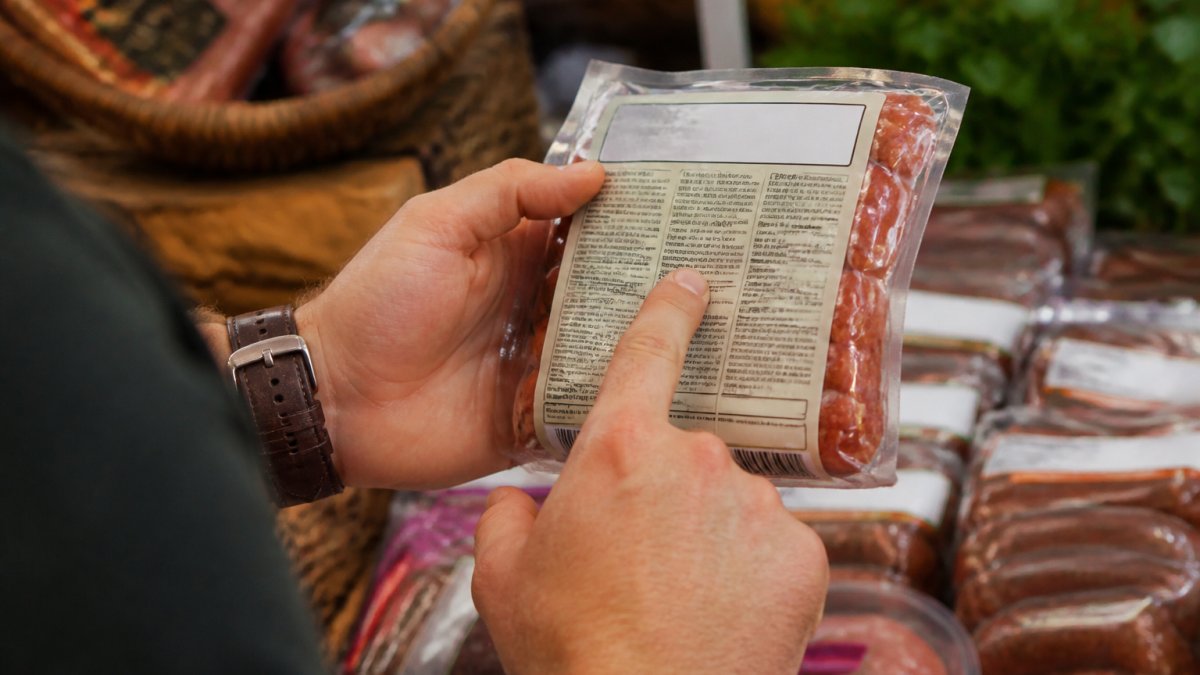
Step 1: Locate the Ingredient List
Find the ingredient list on the back or side of the package. It's always there by law. Ingredients are listed in descending order by weight.
Start by reading the first three ingredients. These make up the bulk of the product. If you recognize them and they're whole foods (like "wheat flour" or "chicken"), that's a good sign. If you see technical names or many unfamiliar items, the product is more processed.
Step 2: Scan for Preservative Indicators
Look for the preservative names listed in the reference section above. Common ones include:
- Sodium benzoate
- Potassium sorbate
- BHA or BHT
- Sodium nitrate
- Calcium propionate
- Sulfites (may be listed as "sulfur dioxide")
Also scan for these functional indicators:
- "Citric acid" (preservative function, though also used for flavor)
- "Ascorbic acid" (vitamin C, preservative function)
- "Tocopherols" (vitamin E, preservative function)
If you spot any of these names, you've found a preservative. Note whether it's listed early (more of it) or late (less of it) in the ingredient list.
Step 3: Check the Nutrition Facts Label
The Nutrition Facts label provides additional clues. High sodium content sometimes indicates salt-based preservation. High sugar content might indicate sugar-based preservation.
These aren't preservatives themselves, but they signal preservation methods. This helps you understand the full picture of how the product stays shelf-stable.
Step 4: Verify Regulatory Labeling Rules
The FDA requires all preservatives to be listed on the ingredient list. If a product contains preservatives, they must appear there. No exceptions.
Some additives have exemptions from ingredient labeling (called "food contact substances"), but these are limited to specific packaging materials and don't appear in the food itself. The ingredient list is your complete source of truth.
FDA food additives status list
Trust the ingredient list. If a preservative isn't listed, it's not in the product.
Distinguishing Preservatives from Other Additives
Not every unfamiliar ingredient is a preservative. Food manufacturers use additives for many purposes. Learning the difference helps you focus on what actually matters to you.
Preservatives prevent spoilage and extend shelf life. Examples: sodium benzoate, potassium sorbate, BHA.
Colorants and dyes add or maintain color. Examples: Yellow 5, Red 40, beta-carotene.
Flavorings enhance taste. Examples: "natural flavors," MSG (monosodium glutamate), yeast extract.
Texturizers and thickeners affect mouthfeel and consistency. Examples: modified starches, xanthan gum, carrageenan.
Emulsifiers help oil and water mix. Examples: lecithin, mono- and diglycerides.
The ingredient list doesn't always tell you an additive's purpose. You have to know what each chemical does. A product might list 12 ingredients, but only 2-3 are preservatives. The others serve different functions.
This matters because you might tolerate colorings or flavorings but want to avoid preservatives. Or vice versa. Understanding the distinction lets you make choices aligned with your priorities.
Choosing Preservative-Free Alternatives
If you want to reduce preservatives, you have options. The key is understanding where they're most common and what alternatives exist.
Fresh foods require no preservatives.
Frozen foods use freezing as preservation. Many frozen vegetables, fruits, and prepared meals contain no added preservatives because freezing itself prevents spoilage.
Refrigerated sections often have fewer preservatives than shelf-stable versions.
Artisanal and small-batch products frequently skip preservatives because they're made fresh and sold quickly.
Products labeled "preservative-free" have made it their selling point.
Premium or "clean label" brands market themselves on minimal additives. These typically cost more but deliver simpler ingredient lists.
At Shaka Braai, our USDA-approved biltong and droewors are made without preservatives or additives.
The trade-off is real. Preservative-free products often have shorter shelf lives or higher prices.
Learning to identify hidden preservatives puts control back in your hands. You're no longer relying on marketing claims or vague labeling.
Start with the reference list of common preservative names. Our USDA-approved cured meats deliver authentic South African flavor without the hidden ingredients. Request a Call Back to learn more about our products and catering services.
Frequently Asked Questions
Which foods contain preservatives most commonly?
Processed snacks, cured meats, packaged baked goods, canned soups, fruit-flavored yogurts, deli meats, and shelf-stable juices contain preservatives frequently. Condiments like ketchup and mayonnaise, breakfast cereals, and frozen prepared meals also rely on preservatives to extend shelf life. Reading the ingredient list is the only way to know for certain, since preservatives appear in products you might not expect.
What does 'no preservatives added' meaning really mean on a label?
It means no artificial or chemical preservatives were intentionally added during manufacturing. However, the product may still contain naturally occurring preservatives like salt, sugar, or citric acid. Some foods labeled this way use other preservation methods like high heat processing or vacuum sealing. The FDA allows this claim even if the final product contains preservatives from other ingredients, so always check the full ingredient list.
How can I tell if a food additive is being used as a preservative?
Check the ingredient list for terms like 'preservative,' 'antioxidant,' or 'antimicrobial' next to the additive name. Common preservative indicators include BHA, BHT, sodium benzoate, potassium sorbate, and citric acid. Research unfamiliar ingredient names using the FDA's approved additives list. If an ingredient appears near the end of the list and serves no flavor or texture function, it's likely a preservative or antimicrobial agent.
Are natural preservatives still considered preservatives?
Yes, natural preservatives like salt, sugar, vitamin E, rosemary extract, and citric acid still function as preservatives by slowing spoilage or oxidation. They work the same way chemically as synthetic preservatives but come from natural sources. The FDA regulates both natural and synthetic preservatives the same way. Choosing natural preservatives over synthetic ones is a personal preference, but both extend shelf life and maintain food safety.