 How-to
Grass Fed Meat Snacks for Backpacking: A Trail Guide
Last Updated: November 17, 2026
Quick Summary
Grass fed meat snacks for backpacking deliver serious protein without serious weight, because dried meat concentrates protein and calories while stripping out water weight. Biltong, jerky, and meat sticks are the three main families, and biltong is a popular choice because it is protein-dense and typically sold as a shelf-stable snack.
- Dried meat delivers more protein per ounce than almost any other shelf-stable trail food.
- Biltong is air-dried and sliced, jerky is smoked or dried with a heavier marinade, and meat sticks are ground and formed.
- Repackage meat at home into single-serving portions and squeeze the air out to cut bulk and spoilage risk.
- Finish any opened portion within a day or two and treat unopened vacuum-sealed portions as good for a typical resupply window.
- Plan snacks by total energy needs, not protein grams alone, and mix meat with nuts and dried fruit.
Table of Contents
- Why Grass Fed Meat Snacks Earn Their Place in Your Pack
- The Best Grass-Fed Meat Snacks for Backpacking, Compared
- Healthy Grass-Fed Meat Snacks for Backpacking: Reading the Label
- How to Store Meat While Backpacking
- Homemade Grass-Fed Meat Snacks for Backpacking
- How to Choose and Portion Snacks for a Specific Route
- Dietary Restrictions and Alternatives to Consider
- Ordering Preservative-Free Biltong and Droewors for Your Next Trip
- Frequently Asked Questions
Why Grass Fed Meat Snacks Earn Their Place in Your Pack
Grass fed meat snacks for backpacking solve a problem every long-distance hiker eventually faces: how to carry serious protein without serious weight.
Gram for gram, dried meat concentrates protein and calories while stripping out water weight. That makes it one of the most efficient foods you can carry. Below, we break down what to look for, how to store it, and how to portion it for a real route.
Protein Density by the Ounce
Dried meat delivers more protein per ounce than almost any other shelf-stable trail food. Dried meat generally carries a high amount of protein per ounce, which is why it is so popular with hikers. Protein content varies by product, so check the label of the specific snack you are considering.
For a backpacker burning through calories on steep climbs, that ratio matters. You want protein-dense food that earns its place in a pack where every ounce is weighed. Meat sticks and biltong both fit that bill, and they need no cooking, no water, and no cleanup.
What Competitors Miss: Nutrition Beyond Protein
Protein is the headline, but it is not the whole story. Some hikers prefer grass-fed beef for personal reasons, and the nutritional profile of any cured meat depends on the specific product and cut.
Cured meat is salty, and on a long hike that can be a feature, not a bug, because you sweat out electrolytes all day. For a deeper look at the full picture, see our guide on whether biltong is healthy.
The Best Grass-Fed Meat Snacks for Backpacking, Compared
The best grass-fed meat snacks for backpacking fall into three families: biltong, jerky, and meat sticks. Each has a different texture, ingredient list, and weight profile. Biltong is air-dried and sliced, jerky is smoked or dried with a heavier marinade, and meat sticks are ground and formed. Biltong is a popular choice for many trips because it is protein-dense and is typically sold as a shelf-stable snack.
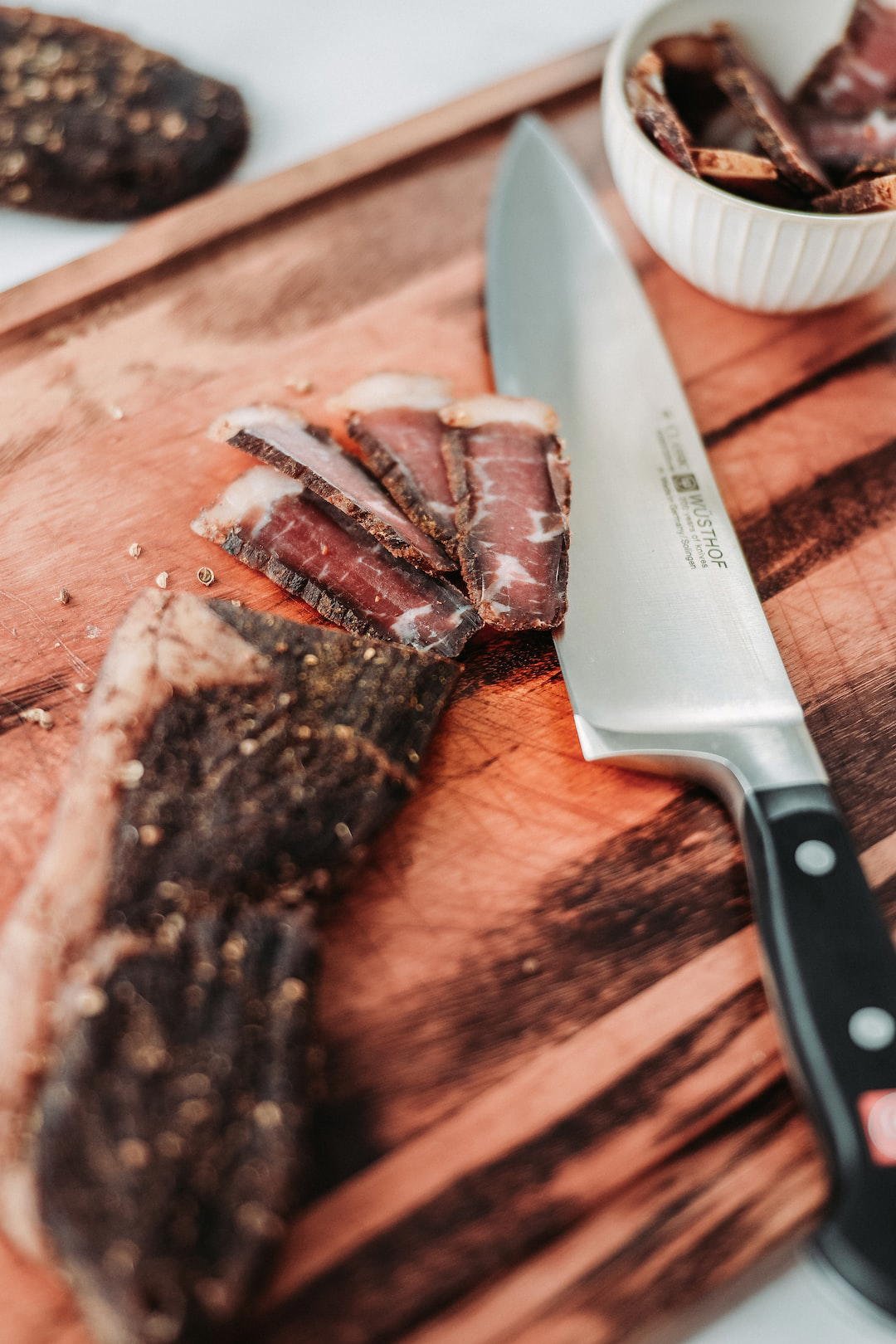
Here is how the three stack up. For a wider spread of options, see our roundup of preservative-free meat snacks for travel.
Biltong vs. Jerky vs. Meat Sticks: A Quick Comparison
| Snack Type | Texture | Typical Ingredients | Best For |
|---|---|---|---|
| Biltong | Air-dried, sliced thin | Beef, vinegar, salt, spice | Protein-dense, low-sugar trips |
| Jerky | Chewy, smoked | Beef, soy or sugar marinade | Familiar flavor, long shelf life |
| Meat sticks | Soft, formed | Ground meat, spices, casings | Grab-and-go, pocket-sized snacking |
Biltong is often valued for its simple ingredient list. Jerky is widely available. Meat sticks are convenient when you are eating on the move.
Healthy Grass-Fed Meat Snacks for Backpacking: Reading the Label
Healthy grass-fed meat snacks for backpacking start with a short ingredient list. If you cannot pronounce half the label, put it back. The best products list meat, salt, vinegar, and spices, and little else.
Ingredients, Sodium, and Sugar to Watch
Scan for three things on any package:
- Added sugar. Many jerkies hide sugar or corn syrup in the marinade. Look for zero sugar or low sugar versions.
- Preservatives. Nitrates and nitrites show up in mass-market cured meat (A National Survey of the Nitrite/Nitrate Concentrations in Cured Meat Products and...). Preservative-free options exist and taste better.
- Sodium level. A little salt is fine on the trail. A lot means you are carrying seasoning you did not ask for.
Watch out: a package that reads "all-natural" on the front can still list additives on the back. The label is the truth, not the marketing.
How to Store Meat While Backpacking
Knowing how to store meat while backpacking is the difference between a snack that lasts the whole trip and one that turns on day two. Dried meat is shelf-stable, but heat, moisture, and a torn bag will undo that fast. The variables that actually matter are package integrity, temperature exposure, and how you handle a bag once it is opened.
Shelf Life, Vacuum Sealing, and Packaging Waste
Vacuum sealing is your best friend on a multi-day trip. It keeps moisture out and compresses the product so it packs flat. If you want the full breakdown on how long preservative-free biltong actually keeps, our guide on whether preservative-free biltong is shelf stable answers it.
Shelf life on the trail depends on three things you can control:
- Package integrity. A pinhole in a vacuum bag defeats the whole point. Inspect seams before you leave, and double-bag any portion you are unsure about in a zip-top bag. Once a bag is opened, reseal it or transfer the remainder to a zip-top bag the same day.
- Temperature exposure. Dried meat tolerates a warm pack far better than fresh meat, but sustained heat still shortens its usable life. Keep your food bag out of direct sun and away from stove fuel and electronics that run hot. On hot trips, eat opened portions first and save sealed portions for later days.
- Moisture. Wet hands, a damp stuff sack, or a leaky water bottle next to your food bag are the usual culprits. Keep meat in its own dry bag, separate from wet gear.
A common pattern among long-distance hikers is to treat unopened vacuum-sealed portions as good for the length of a typical resupply window and to finish any opened portion within a day or two.
Watch out: a package that has puffed, leaked, or smells off should not be eaten. Check the package before you eat from it.
Packaging waste matters in the backcountry. Carry out every wrapper, including the small oxygen-absorber packets that sometimes ship inside cured-meat bags, those are not food and should not be buried or left behind.
Homemade Grass-Fed Meat Snacks for Backpacking
Making your own gives you total control over ingredients and cost. The basic method is simple: buy a lean grass-fed cut, slice it with the grain, cure it in vinegar and salt, season it, and air-dry it until it firms up. A fan-assisted dry works well at home; a dehydrator is faster.
A common mistake is slicing too thick. Thin slices dry evenly and pack better. Season lightly, because flavor concentrates as the meat dries. Once dried, portion and vacuum seal right away.
How to Choose and Portion Snacks for a Specific Route
Portioning by route, not by habit, keeps your pack light and your energy steady. The mistake most hikers make is planning snacks by protein alone. Protein repairs muscle, but it is not the fuel that gets you up the climb, calories from fat and carbohydrates do that. A useful snack plan balances all three against the hours you will actually be moving.
Calories per Ounce and Daily Energy Needs
Dried meat is generally protein-dense, and its calorie content varies by product. Check the nutrition label of the specific snack you are considering. That is why experienced backpackers mix meat with nuts and dried fruit rather than relying on meat alone.
A workable planning method:
- Estimate your moving hours. Count the hours you expect to hike, not the hours you are awake.
- Set a snack target. Many hikers plan their snacks around their hiking hours, adjusting for body size, pack weight, and terrain. Steep climbs and cold weather push that number up; easy downhill days push it down.
- Split the target across food types. Aim for a mix of protein, fat, and carbohydrate rather than all of one. Meat covers protein and some fat; nuts and dried fruit cover fat and carbohydrate.
- Weigh portions at home. A kitchen scale tells you more than a guess, and it stops you carrying food you will never eat.
Sample snack plans by trip length, per person:
- Day hike: a few servings of snacks, such as meat, nuts, and dried fruit, sized to your own needs.
- Two to three days: weigh out portions per day and bag them separately, split between meat, nuts, and dried fruit according to your own calorie plan.
- Long trips: mix biltong with nuts and dried fruit for calories and variety, and rotate flavors so you do not burn out on one snack by day four. Repackage by day, not by trip, so you are not opening a week's worth of food at once.
Watch out: planning snacks by protein grams alone can leave you short on calories on big-mileage days. Consider your total energy needs, not just protein.
Sodium and electrolytes deserve a line of their own. Cured meat is salty, and on a long, sweaty hike that can be a feature rather than a bug, because you lose electrolytes all day. Hikers on lower-sodium diets should check labels and portion accordingly.
Dietary Restrictions and Alternatives to Consider
Dried meat is often gluten-free and keto-friendly, but check the label, because marinades can introduce ingredients you may want to avoid. Hikers who avoid red meat may look for other protein-dense snack options. If you are building trail nutrition around restrictions, our guide on fitting biltong into a balanced diet walks through how it fits.
Ordering Preservative-Free Biltong and Droewors for Your Next Trip
When you want trail-ready cured meat without the guesswork, look for a source that clearly lists its ingredients. Shaka Braai offers biltong and droewors made without preservatives and USDA-approved, as described on our product pages. Shop Shaka's biltong and droewors for current availability and ordering details.
Your next trip deserves snacks that pull their weight. Shaka Braai brings over 20 years of family curing experience to every order, with preservative-free biltong and droewors that are USDA-approved and built for the trail. Browse the shop and stock your pack before you head out.
Frequently Asked Questions
Are meat sticks or jerky better for hiking?
Both work, but they suit different trips. Jerky and biltong are flatter and can pack more efficiently in a backpack. Meat sticks are easier to eat one-handed on the move and portion neatly. For long trips where weight matters, check the protein per ounce on the label of each product. For short day hikes, sticks are the simplest grab-and-go option.
How should you store meat snacks on a backpacking trip?
Keep them sealed until you eat them, and follow the storage instructions on the package. Pack them away from moisture and direct sun. Once opened, store the portion according to the package directions. On multi-day trips, separate portions into individual bags so you are not opening one large pack repeatedly. Carry out all packaging, since most cured-meat wrappers are not biodegradable.
Are there healthy grass-fed meat snacks for backpacking?
Yes, if you read the label. Look for a short ingredient list with minimal additives, and check for added sugar or nitrates. Check sodium per serving, and compare grams of protein per ounce on the label to judge value.
How much protein should a backpacking snack have?
Snack needs vary with body weight and daily mileage, so check the protein per portion on the label. Backpacking burns more energy than a typical day at a desk, so pair protein-dense meat snacks with carbohydrate sources like dried fruit or crackers. Protein alone will not fuel a long climb.