 How-to
How a Live Biltong Carving Station Elevates Your Event
Last Updated: November 22, 2026
Quick Summary
A biltong carving station is a staffed food station where a chef slices cured beef to order in front of guests, turning a simple snack into a talking point. Hire pricing depends on guest count, service duration, meat selection, staffing, and travel distance, so ask for an itemized quote to compare providers line by line.
- Ask whether the minimum spend is a headcount or a dollar minimum, and whether it includes the chef.
- A one-hour service window is the base; a second hour usually adds a staffing and meat-holding charge.
- One chef covers a modest station; larger events need a second person for line management and restocking.
- Keep biltong chilled until service, use clean cutting boards, and have the chef handle all slicing.
- Place the station where guests naturally gather, not in a back corner, and keep the line clear of the bar.
Table of Contents
- Why a Live Biltong Carving Station Beats a Standard Buffet
- What Live Biltong Carving Station Hire Cost Depends On
- Building a Carving Station Menu Around Biltong
- Planning a Carving Station Wedding Guests Will Remember
- Interactive Food Stations Wedding Guests Actually Approach
- Equipment, Staffing, and Event-Day Logistics
- Request a Call Back and Lock In Your Biltong Carving Station
- Frequently Asked Questions
Why a Live Biltong Carving Station Beats a Standard Buffet
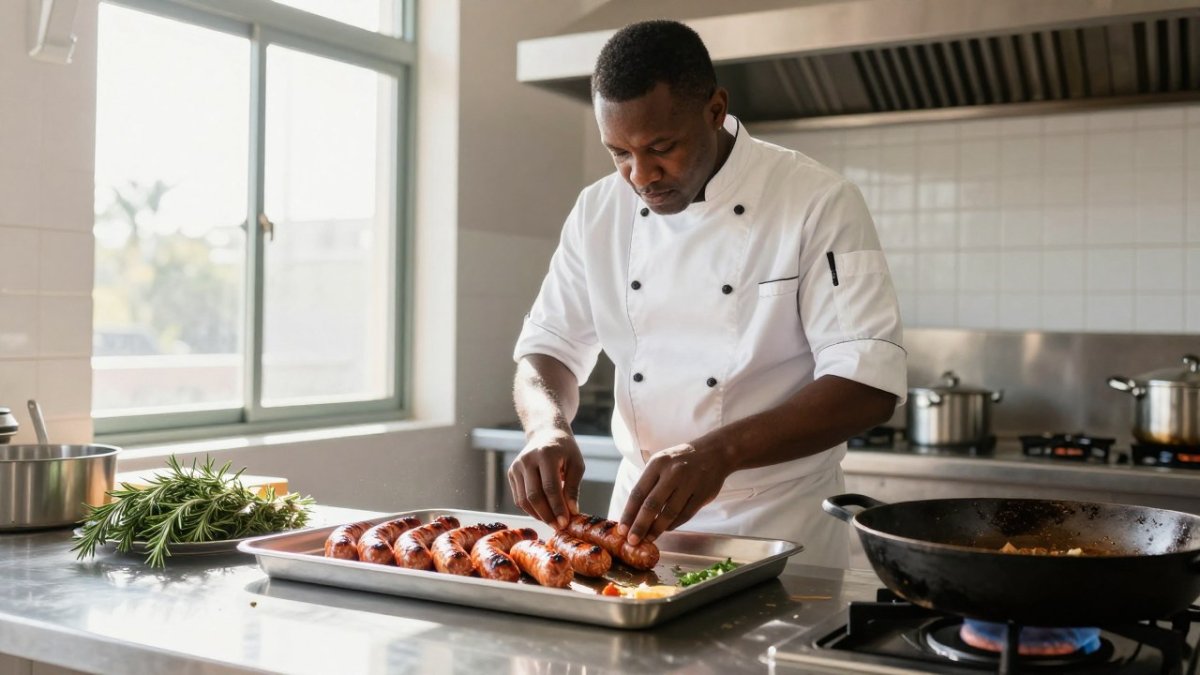
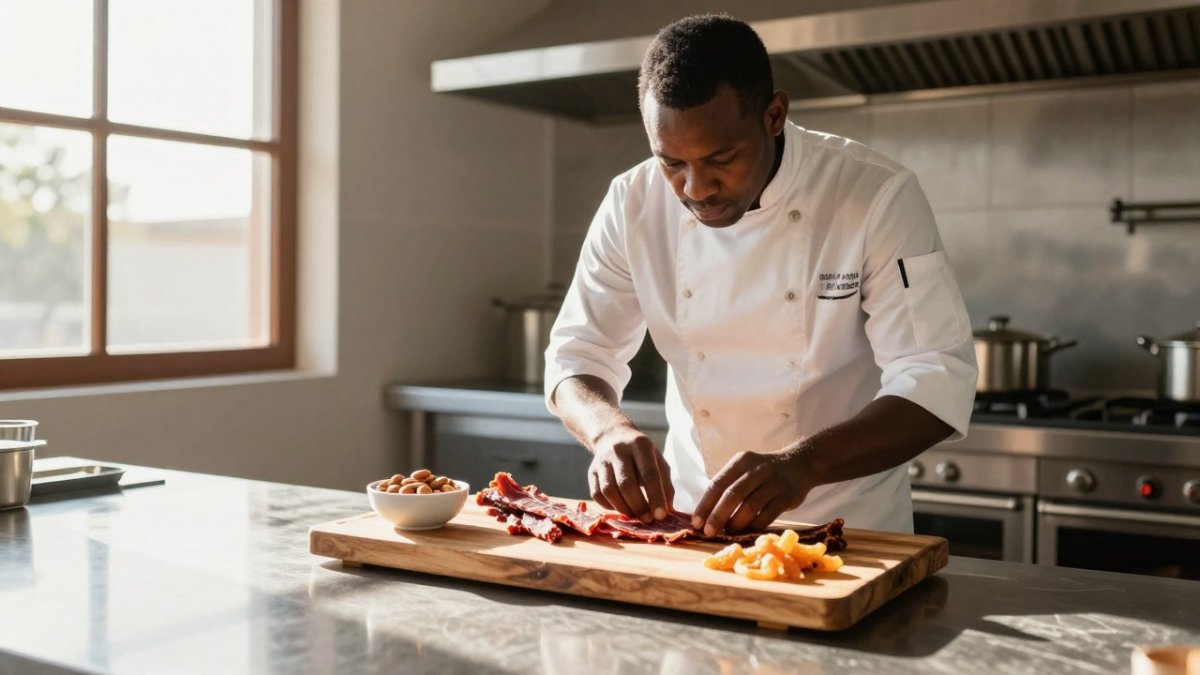
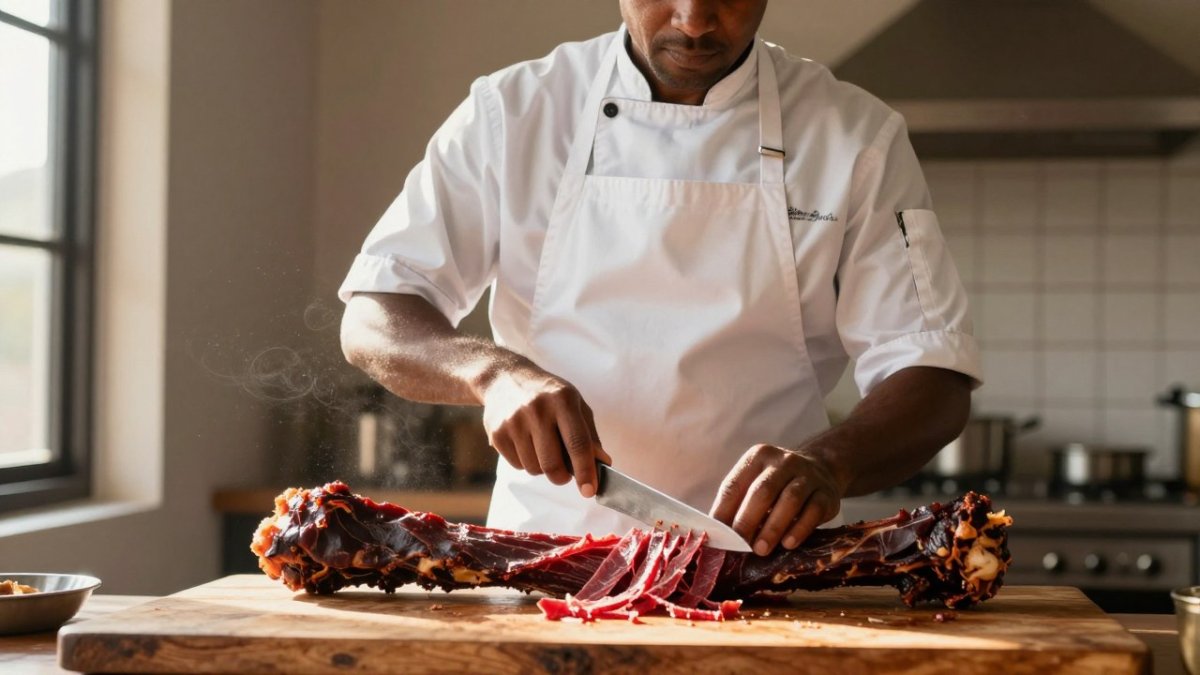
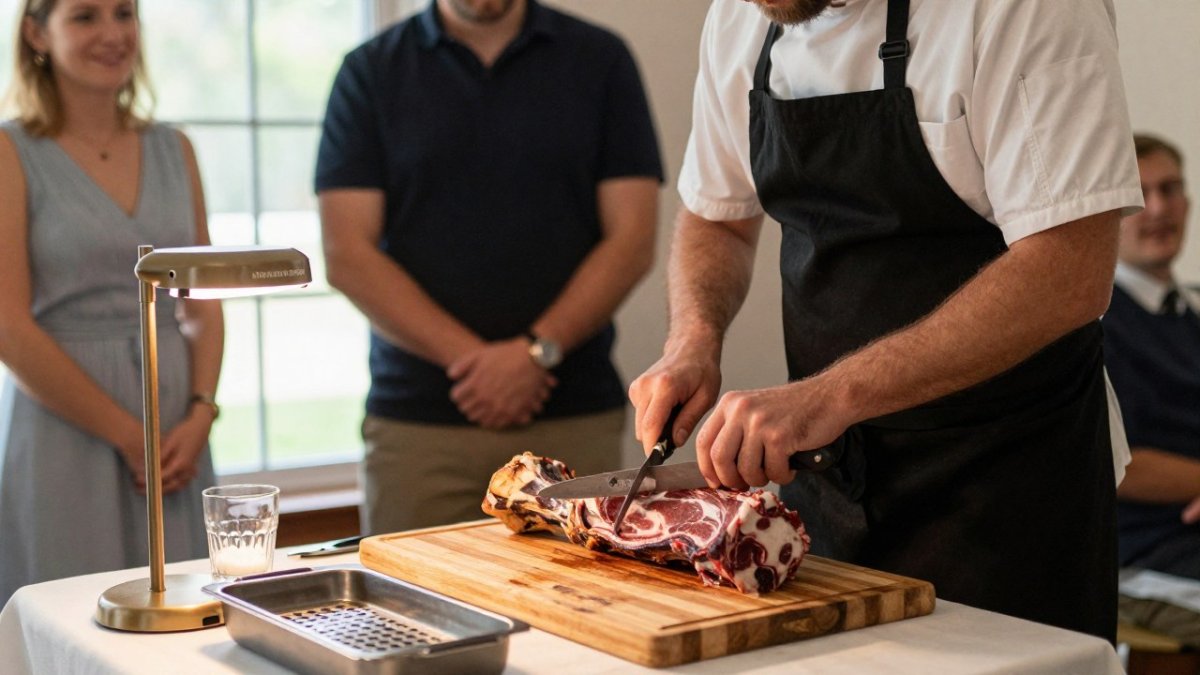
A live biltong carving station is a staffed food station where a chef slices cured beef to order in front of guests, turning a simple snack into a talking point.
For deeper background on the meat itself, our guide to authentic South African cured beef explains what makes biltong distinct.
What Live Biltong Carving Station Hire Cost Depends On
Pricing for live biltong carving station hire depends on guest count, service duration, meat selection, staffing, and travel distance. For current prices or a quote, visit the Shaka Braai website. The useful move is to ask for an itemized quote so you can compare two providers line by line instead of comparing one lump sum to another.
A common pattern in itemized quotes breaks down like this:
- Minimum spend or minimum guest count. Most caterers set a floor before a staffed station makes sense, because the chef, setup, and equipment cost is the same whether 30 or 80 guests attend. Ask whether the minimum is a headcount or a dollar minimum, and whether it includes the chef.
- Per-person carving charge. This is the meat and serving cost multiplied by expected guests. Confirm whether it is priced on confirmed attendance or a guaranteed minimum, and what happens if attendance drops.
- Service hours. A one-hour window is the base; a second hour usually adds a staffing and meat-holding charge. Ask whether overtime is billed in 30-minute or full-hour blocks.
- Staffing. One chef covers a modest station; larger events need a second person for line management and restocking. Confirm the staff-to-guest ratio in writing.
- Equipment and setup. Cutting board, carving knife, heat lamp, drip pan, tongs, and table linens may be included or billed as a setup fee. Ask what arrives with the station and what the venue must supply (table, power, linens).
- Travel and logistics. Distance from the kitchen, parking, loading access, and any venue service charge affect the quote. Ask whether travel is a flat fee or mileage-based.
- Add-ons. Extra meats, droewors, sauces, breads, and side salads are usually priced per person or per platter. Get the add-on list before you compare totals.
For a fuller breakdown of per-head budgeting, read our guide to calculating catering cost per head.
Building a Carving Station Menu Around Biltong
A strong carving station menu pairs biltong with sides that balance its salt and spice. Biltong is intense on its own, so the goal is contrast, not competition.
A common approach is to offer:
- Biltong and droewors as the centerpiece, sliced to order
- Sauces and accompaniments such as a mild chutney or a tangy mustard
- Breads and rolls to soften each bite
- Fresh salads and grilled vegetables for lighter guests
- Roasted sides to round out a full meal
Dietary and allergen considerations matter here. Biltong is high in protein and preservative-free, which suits health-conscious guests, but check with your caterer on sodium content and any spice blends before finalizing the menu. Our full catering menu shows the range of options we build stations around.
Planning a Carving Station Wedding Guests Will Remember
For a wedding reception, a carving station works best when it is placed where guests naturally gather.
Food safety is non-negotiable at any wedding. Keep biltong chilled until service, use clean cutting boards, and have the chef handle all slicing. The visual appeal of a chef working a station adds to the guest experience, but the safety behind it is what protects the event. If you are planning a wedding, our events service covers the options we offer.
Interactive Food Stations Wedding Guests Actually Approach
Interactive food stations wedding guests actually approach share one trait: they invite participation. A guest who watches their meat sliced to order feels involved, not just served.
Equipment, Staffing, and Event-Day Logistics
Event-day logistics for a biltong carving station come down to four things: the right equipment, enough staffing, a setup plan that fits the venue, and a portion plan that keeps the line moving without waste. Most generic carving guides stop at the equipment list; the biltong-specific handling and the portion math are where a station succeeds or fails.
Equipment. Confirm with your caterer which equipment they bring, such as the board, knife, lamp, and drip pan, and what the venue must supply, such as the table and power.
Staffing. Confirm with your caterer how many staff will attend, what they will handle on arrival, and who is responsible for setup and breakdown.
Venue logistics. Venue logistics deserve early attention. Check power access for the heat lamp, confirm where the station can sit relative to guest flow, and ask whether the venue has any restrictions on open-flame or carving equipment. Confirm load-in time, parking, and whether the venue charges a service fee for outside caterers. Place the station where guests naturally gather, not in a back corner, and keep the line from crossing the bar or the dance floor.
Portion planning. Estimate servings per guest based on whether the station is a snack or part of a meal, and confirm the caterer's per-person estimate against your guest count and service window before you lock the order.
| Planning Item | What to Confirm | Why It Matters |
|---|---|---|
| Guest count | Minimum and per-person estimate | Sets the quote and portion plan |
| Service duration | One-hour or two-hour window | Affects staffing and cost |
| Equipment | Cutting board, knife, heat lamp, drip pan | Keeps meat warm and safe |
| Staffing | Number of chefs on site | Keeps the line moving |
| Venue rules | Power, space, open-flame limits, load-in | Prevents day-of surprises |
| Portion plan | Slices per guest, snack vs. meal | Reduces waste and shortages |
Request a Call Back and Lock In Your Biltong Carving Station
Booking a live biltong carving station starts with a conversation about your date, guest count, and venue. The earlier you lock in the details, the easier the event-day logistics become.
At Shaka Braai, we bring over 20 years of experience and a family-owned approach to every event we cater.
If you are ready to plan, request a call back and tell us about your event. We will walk you through the options and help you build a station your guests will talk about.
Planning an event means juggling a dozen details at once, and the food station should not be one of them. Shaka Braai takes the carving station off your plate with a staffed setup, USDA-approved biltong, and a team that has run events for more than two decades. Get started with Shaka Braai and give your guests a freshly carved experience they will remember.
Frequently Asked Questions
What is a live biltong carving station?
A live biltong carving station is a staffed serving setup where a chef slices air-dried cured meat to order in front of guests. Instead of pre-cut portions sitting on a buffet, the meat is carved fresh throughout service, usually for one to two hours. The station typically includes a cutting board, a heat lamp, a drip pan, and sauces and accompaniments. It works as a buffet enhancement at weddings, corporate events, and private parties, and it gives guests an interactive experience rather than a grab-and-go plate.
How much biltong should I plan per guest?
For a biltong carving station, plan roughly 2 to 3 ounces of sliced biltong per guest as an appetizer, and closer to 4 to 6 ounces if the station is the main protein. Biltong is dense and high in protein, so guests eat less of it than they would sliced roast. Round up for events with long service windows or heavy drinking.
How far in advance should I book a live biltong carving station?
Booking earlier is always wise for peak dates, so ask the caterer about availability for your event. If your date is close, ask about availability first and be flexible on service duration.
What should I ask a biltong catering company before booking?
Ask whether the meat is USDA-approved, how long the service runs, and what the price includes in terms of staff and equipment. Confirm the per-person pricing, minimum guest count, and what happens if guest numbers change. Ask how the biltong is stored and sliced on site, and what sauces and accompaniments come with it. Finally, check travel logistics to your venue and get an itemized quote so equipment, staffing, and food costs are broken out clearly.