 Comparison
Professional Staff for Authentic Biltong Sourcing
Table of Contents
- What Makes Professional Staff Essential for Authentic Biltong Service
- Best Meat Cuts for Biltong and Quality Standards
- Evaluating Biltong Authenticity and Sourcing Provenance
- Biltong Catering for Events: What Professional Service Includes
- Biltong Serving Ideas and Presentation Standards
- Food Safety, Certifications, and Staff Qualifications
- How to Select a Biltong Supplier with Qualified Staff
- Frequently Asked Questions
Last Updated: October 12, 2026
What Makes Professional Staff Essential for Authentic Biltong Service
When you're sourcing authentic biltong for guests, the quality of the product matters, but so does how it's presented and served. Our professional staff biltong service transforms a simple snack into a memorable experience that reflects the tradition and care behind the meat itself.
At Shaka Braai, we've learned over 20 years that authentic biltong service requires more than just opening a package. It demands knowledge of the product, attention to presentation, and genuine hospitality that makes guests feel the care invested in every slice. A knowledgeable server can explain the sourcing, the curing process, and the cuts being offered, turning a casual appetizer into a conversation starter.
The difference between amateur and professional service shows immediately. Professional staff understand proper handling, know how to present biltong at the right temperature, can answer questions about the meat's origin and preparation, and serve with the kind of confidence that tells guests they're experiencing something authentic. This isn't just about politeness; it's about credibility. When a server can speak to the quality standards, the curing methods, and the sourcing provenance, guests trust the product more and enjoy it more deeply.
Best Meat Cuts for Biltong and Quality Standards
The foundation of authentic biltong starts with meat selection. Not all cuts produce the same quality result, and understanding which cuts work best is essential for anyone sourcing biltong for guests.
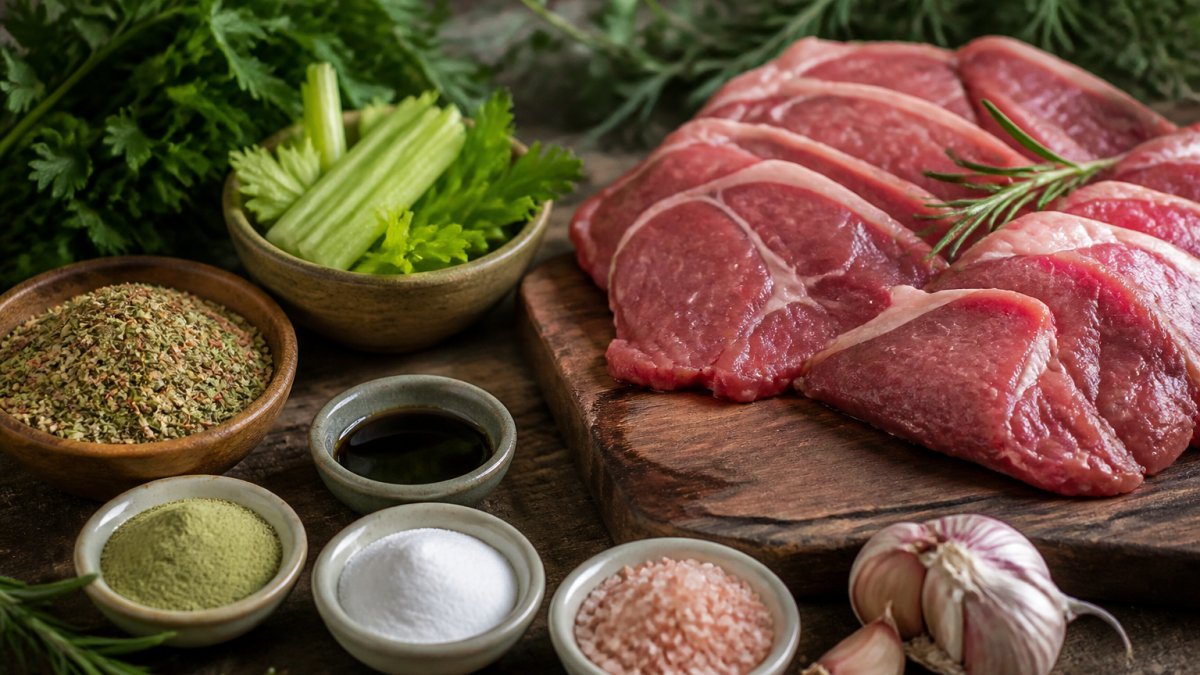
Topside and silverside are the traditional cuts used in authentic biltong production. Topside comes from the top of the hind leg and offers a leaner profile with good marbling, the small fat lines running through the meat that add flavor during the drying process. Silverside, from the outside of the hind leg, delivers a slightly different texture with consistent grain structure that supports even curing and drying.
Both cuts share key characteristics: minimal external fat, fine grain structure, and the ability to absorb marinades and spice evenly. When evaluating biltong quality, look for meat that shows consistent color throughout, with no discoloration or soft spots. The texture should be firm but not brittle, and the aroma should be clean and spiced, never rancid or off-putting.
Topside vs Silverside Biltong: Which Cut Serves Your Guests Better
Topside biltong tends to be slightly more tender and develops a richer flavor profile because of its marbling. It's the more forgiving cut during the drying process, which is why many producers favor it for consistent results. Silverside delivers a firmer chew and a cleaner, more straightforward beef flavor, ideal if your guests prefer less richness and a more pronounced textural experience.
For catering and guest service, topside is often the better choice. It's more universally appealing, easier to slice uniformly, and the flavor development is more pronounced. Silverside works well when you want to showcase the pure beef character without competing flavors. Neither is objectively "better", it depends on your guests' preferences and the overall flavor profile you're building for the event.
Quality standards for both cuts are non-negotiable. The meat should be USDA-approved and sourced from reputable producers who maintain food safety protocols. Look for biltong that's been properly air-dried (not oven-dried), cured with traditional spices, and stored in conditions that preserve freshness without added preservatives.
Evaluating Biltong Authenticity and Sourcing Provenance
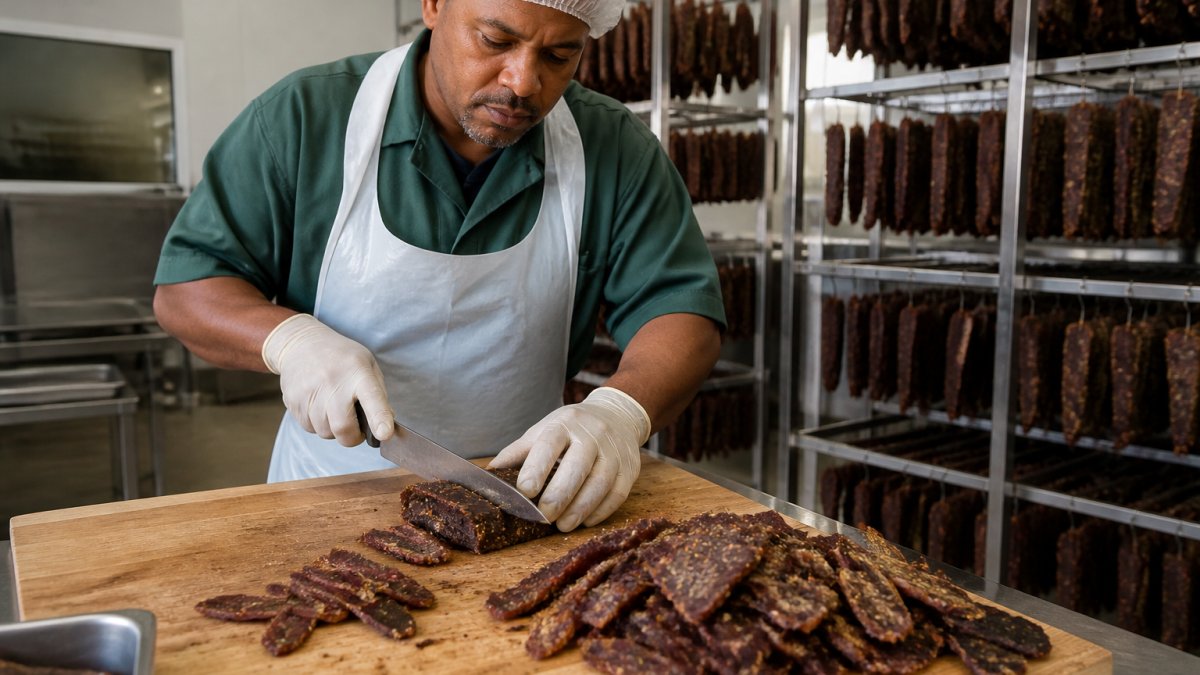
Authenticity in biltong starts with sourcing. Traditional South African biltong follows specific preparation methods that have been refined over generations, and authentic biltong sourcing means understanding where the meat comes from and how it's processed.
Ask your supplier directly: Where is the meat sourced? Is it USDA-approved? How long has the meat been air-drying? What spices and marinades are used? Legitimate producers have transparent answers. They can tell you the specific cuts, the curing time, the drying duration, and the storage conditions. If a supplier is vague about any of these details, that's a red flag.
Authentic biltong should list ingredients simply: beef, salt, spices, and sometimes a touch of vinegar or curing salt. Preservative-free biltong is the gold standard, it means the producer trusts their curing and drying process enough to skip artificial additives. This also means shelf life is shorter, which is actually a mark of authenticity. Traditional biltong doesn't last months on a shelf; it's meant to be consumed relatively fresh.
Look for producers who emphasize their traditional methods. The Grub Company publishes a twelve-check comparison method for evaluating biltong brands, covering sourcing, production process, packaging, and pricing. Using a structured evaluation approach helps you distinguish authentic producers from those cutting corners.
Biltong Catering for Events: What Professional Service Includes
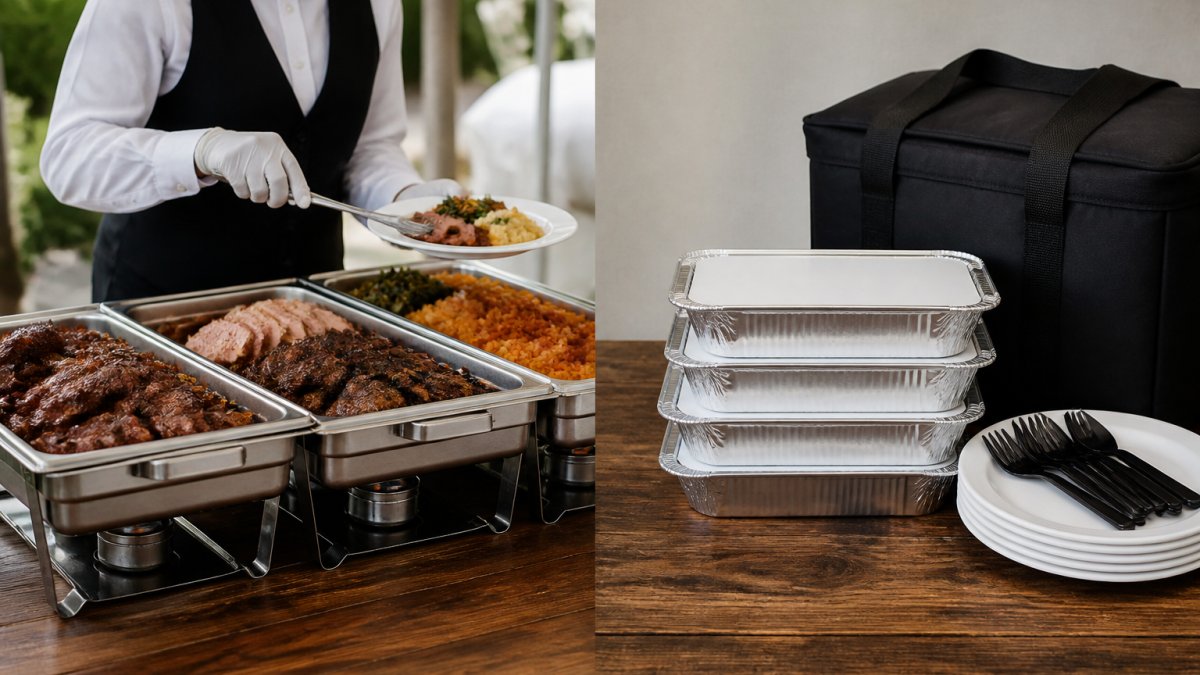
Biltong catering for events goes far beyond dropping off a platter. Professional service means trained staff who understand the product, can present it attractively, and manage the service throughout your event.
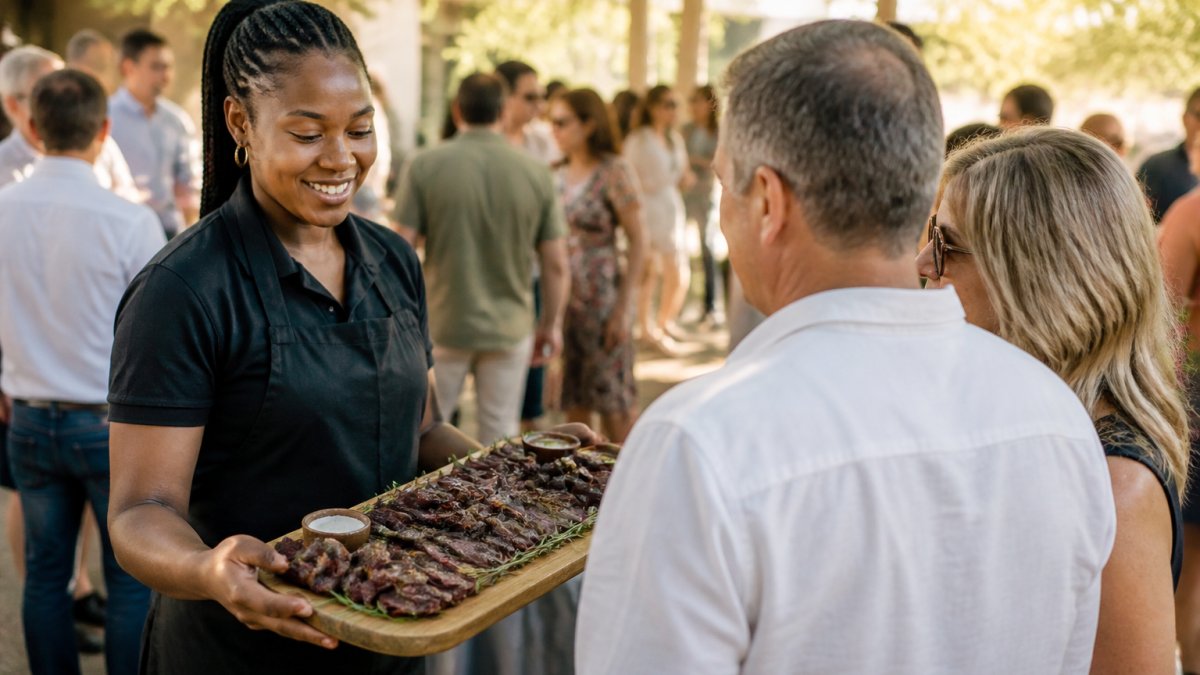
When you hire professional staff to serve biltong, you're getting people who know how to:
- Slice biltong to the right thickness (not too thin, not too thick) and present it on attractive platters
- Keep the product at proper temperature and protect it from direct sunlight or excessive heat
- Answer guest questions about the product's origin, flavor profile, and preparation
- Manage portion sizes and ensure platters stay fresh throughout the event
- Coordinate with your other catering elements so biltong service flows naturally
Professional staff also handle the logistics that guests never see: arriving early to set up, maintaining platter presentation, knowing when to refresh or rotate platters, and cleaning up efficiently. They're trained to read the room, knowing when to offer more, when guests have had enough, and how to position biltong as a premium element of your event rather than just another appetizer.
For weddings, corporate events, and backyard gatherings, this level of service transforms the experience. Guests remember not just the taste of authentic biltong, but the care and knowledge behind it. Shaka Braai's professional catering staff bring this standard to every event, ensuring your guests experience biltong the way it's meant to be enjoyed.
Biltong Serving Ideas and Presentation Standards
How you present biltong matters as much as the quality of the product itself. Presentation signals to guests that they're experiencing something special.
Serve biltong on wooden boards or slate platters, materials that complement the rustic, traditional nature of the product. Arrange slices in overlapping patterns so the color and texture are visible. Include small wooden picks or serving utensils so guests can serve themselves without handling the meat directly.
Temperature matters. Biltong is best served at room temperature or slightly cool, not cold from the refrigerator, which mutes the flavor, and not warm, which can make it soften.
Label your biltong clearly, especially if you're offering multiple varieties or cuts. A simple card noting "Topside Biltong, 28-Day Air-Dried" or "Droewors with Traditional Spice Blend" tells guests what they're tasting and adds to the authentic experience. Professional staff can reference these labels when answering questions, reinforcing the quality and authenticity of what's being served.
For large events, plan for about 2-3 ounces of biltong per guest if it's the main protein, or 0.5-1 ounce per guest if it's part of a larger appetizer spread. This ensures you have enough without excess waste.
Food Safety, Certifications, and Staff Qualifications
Authentic biltong sourcing must include verification of food safety standards. Your supplier should hold USDA approval and maintain proper handling protocols throughout production, storage, and transport.
When evaluating a supplier, ask for documentation of their food safety practices. How is the meat inspected? What temperature and humidity controls are maintained during air-drying? How is the finished product stored? Legitimate producers have answers backed by actual procedures, not just reassurance.
Staff serving biltong should understand basic food safety: proper handling to avoid cross-contamination, awareness of allergen concerns (though biltong is generally allergen-free if spices are clean), and knowledge of storage conditions if guests are taking biltong home. They should know how long biltong lasts once opened and how to store it properly.
USDA approval is non-negotiable for any biltong sold in the United States. This certification means the meat has been inspected, the facility meets safety standards, and the product is safe for consumption. If a producer claims to be USDA-approved, verify it directly rather than taking their word.
How to Select a Biltong Supplier with Qualified Staff
Choosing the right biltong supplier means evaluating both the product quality and the professionalism of their team.
Start by asking about sourcing. Where does the meat come from? How long has it been air-drying? What spices are used? A supplier confident in their product will answer these questions directly and in detail. Vague answers suggest they don't know their product well or are hiding something.
For catering specifically, ask about their professional staff biltong experience. How are they trained? Do they have experience serving biltong at events? Can they handle the logistics of your specific event size and format? Ask for references from previous events they've catered. A reputable supplier will provide them willingly.
Review customer feedback when available. Look for comments about both product quality and service professionalism. This kind of feedback tells you the supplier values both product and people.
Pricing matters, but it shouldn't be the only factor. A supplier charging more likely invests in better sourcing, proper storage, staff training, and quality control. Comparing solely on price often means comparing against suppliers cutting corners. Ask what's included in their pricing: Do they handle setup and cleanup? Are staff included?
For events, discuss your specific needs. Different events require different service approaches. A corporate function needs different pacing and presentation than a backyard gathering.
Sourcing authentic biltong for your guests requires attention to product quality, presentation, and service professionalism. Whether you're planning a wedding, corporate event, or backyard gathering, working with a supplier who prioritizes both product integrity and guest experience ensures your event reflects the quality you're seeking. USDA food safety guidelines provide the standards authentic producers follow; use them as your benchmark when evaluating suppliers.
Frequently Asked Questions
What cut of meat is best for biltong?
Topside and silverside are the gold standard cuts for biltong. Both offer minimal fat and consistent grain, which supports even air-drying and flavor absorption. Topside produces a leaner, more tender result, while silverside delivers a slightly richer taste. Quality biltong sourcing depends on selecting beef with good marbling but not excessive fat, as this affects both drying time and final texture. Professional suppliers evaluate meat cuts carefully to ensure consistent quality for guests.
What makes biltong authentic?
Authentic biltong relies on traditional air-drying methods, quality meat selection, proper seasoning with vinegar and spices, and no artificial preservatives. The meat must be cured correctly, sliced against the grain, and dried naturally to develop its distinctive texture and flavor. USDA-approved producers follow strict food safety standards while maintaining these traditional techniques. Authentic biltong sourcing means working with suppliers who can verify their preparation methods and ingredient sourcing, not just their product name.
How should biltong be served at an event?
Professional biltong serving at events includes presenting sliced portions on platters, pairing with complementary items like cheese or crackers, and maintaining proper temperature and freshness throughout service. Professional staff trained in guest service know how to handle and present biltong to highlight its quality and appeal to diverse palates. Serving ideas range from casual grazing platters at backyard gatherings to plated presentations at formal events. The key is ensuring your guests understand what they're tasting and why the product quality matters.
What should you ask a caterer about biltong sourcing?
Ask about meat sourcing, USDA certification, preparation methods, how long the product stays fresh, and staff training in food safety and guest service. Verify that they use locally sourced, quality ingredients without artificial preservatives. Request details on their drying and curing process, shelf life, and how they handle storage and transport. Professional staff should be able to explain their sourcing provenance clearly and answer questions about why their biltong differs from mass-produced alternatives.