 comparison
Full-Service vs Drop-Off Catering: Which Fits Your Event
Table of Contents
- Full-Service Catering vs Drop-Off Catering: The Core Difference
- What Does Full-Service Catering Include
- Drop-Off Catering for Weddings and Events
- Catering Setup and Cleanup: Who Does What
- Full-Service Catering Cost Breakdown
- Comparison Table: Full-Service vs Drop-Off at a Glance
- How to Choose: Decision Framework by Event Type and Guest Count
- Hybrid Catering Models: A Middle Ground
- Frequently Asked Questions
Last Updated: October 11, 2026
Full-Service Catering vs Drop-Off Catering: The Core Difference
When you're planning an event, the catering choice you make shapes everything else: your stress level, your budget, and ultimately, your guests' experience. At Shaka Braai, we've worked with hundreds of hosts planning weddings, corporate functions, and backyard gatherings, and the full-service catering vs drop-off decision is always the first fork in the road.
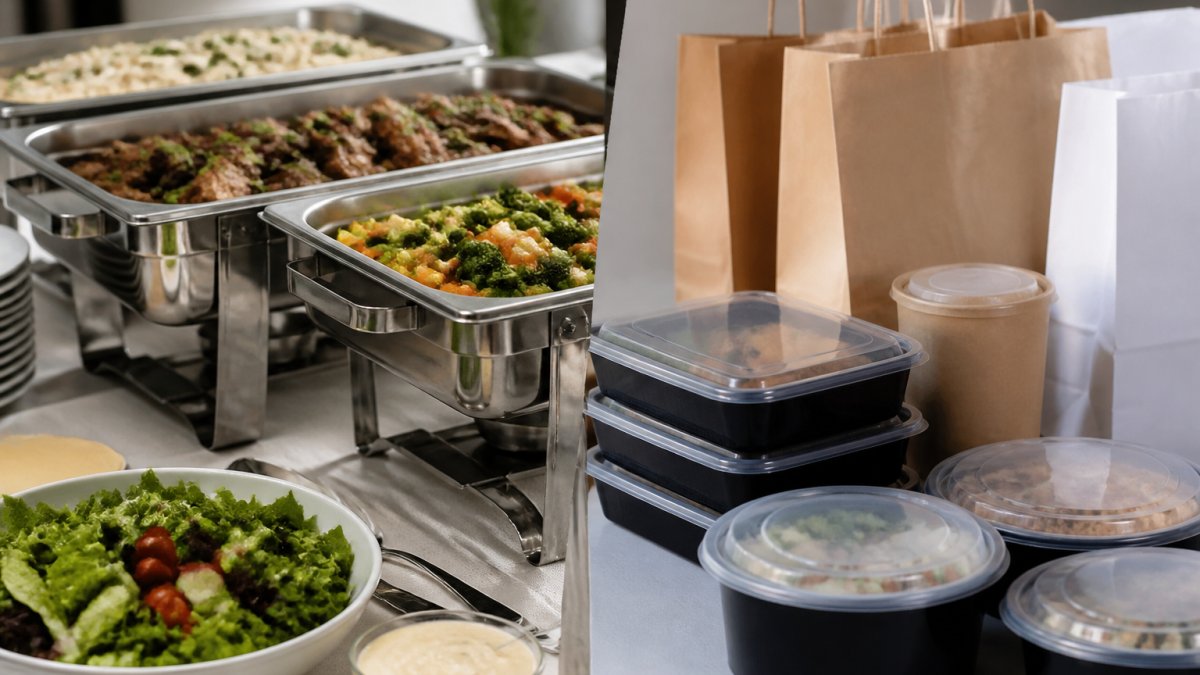
Here's the essential distinction: full-service catering includes food preparation, on-site staff, setup, service, and cleanup. Drop-off catering means the caterer delivers prepared food, and you handle the rest. The difference isn't just about convenience, it fundamentally changes what your event day looks like and what you'll pay.
This guide walks you through what each service includes, the real cost differences, and a practical framework for choosing the right one based on your event size and type. Below, we'll show you exactly how to compare these options and identify which fits your needs.
What Does Full-Service Catering Include
Full-service catering is a complete package. The caterer shows up, takes over food service operations, and leaves with everything cleaned up. You're essentially hiring a professional team to manage the food experience while you focus on your guests.
Food Preparation and Menu Planning
The caterer handles everything from menu design to final plating. You'll typically meet with the catering team to discuss your vision, dietary needs, and guest preferences.
This includes sourcing ingredients, managing food safety protocols, and handling any last-minute adjustments. If a guest has allergies or dietary restrictions, the caterer coordinates those accommodations without burdening you. For specialized menus, like authentic South African whole hog roasts that require specific preparation techniques, the caterer's expertise becomes invaluable.
Menu customization is extensive. You're not choosing from a fixed list; you're working with a professional to build an experience that reflects your event's tone and your guests' expectations.
On-Site Staffing and Service
This is where full-service catering truly earns its cost. Professional staff arrive before guests and manage every aspect of food service: setup, plating, serving, refilling, and breakdown. Servers, bartenders, and kitchen staff work behind the scenes so your event runs smoothly.
The staffing level scales with your event. A small dinner party might need two servers; a 200-person wedding reception requires a full team. Staff are trained in service standards, food safety, and how to remain unobtrusive while keeping everything flowing.
This professionalism changes the guest experience. Instead of watching the host scramble to refill plates or manage the buffet, guests feel cared for. The event feels polished and intentional.
Drop-Off Catering for Weddings and Events
Drop-off catering is straightforward: the caterer prepares food, delivers it to your venue, and leaves. You become the host and the event manager rolled into one.
What You Get and What You Handle
You receive prepared food in appropriate serving containers, usually with basic setup instructions.
This works well for casual events where the food is secondary to the gathering. A backyard barbecue, a casual office lunch, or a relaxed family celebration can absolutely succeed with drop-off catering.
However, drop-off catering requires you to think through logistics that full-service handles invisibly. Where will you set up the food? How will you keep hot food hot and cold food cold?
For drop-off catering to work well, you need a clear plan, help from friends or family, and realistic expectations about what you can manage while hosting.
Catering Setup and Cleanup: Who Does What
The setup and cleanup responsibilities are where the cost difference becomes most visible, and where many hosts underestimate the full-service value.
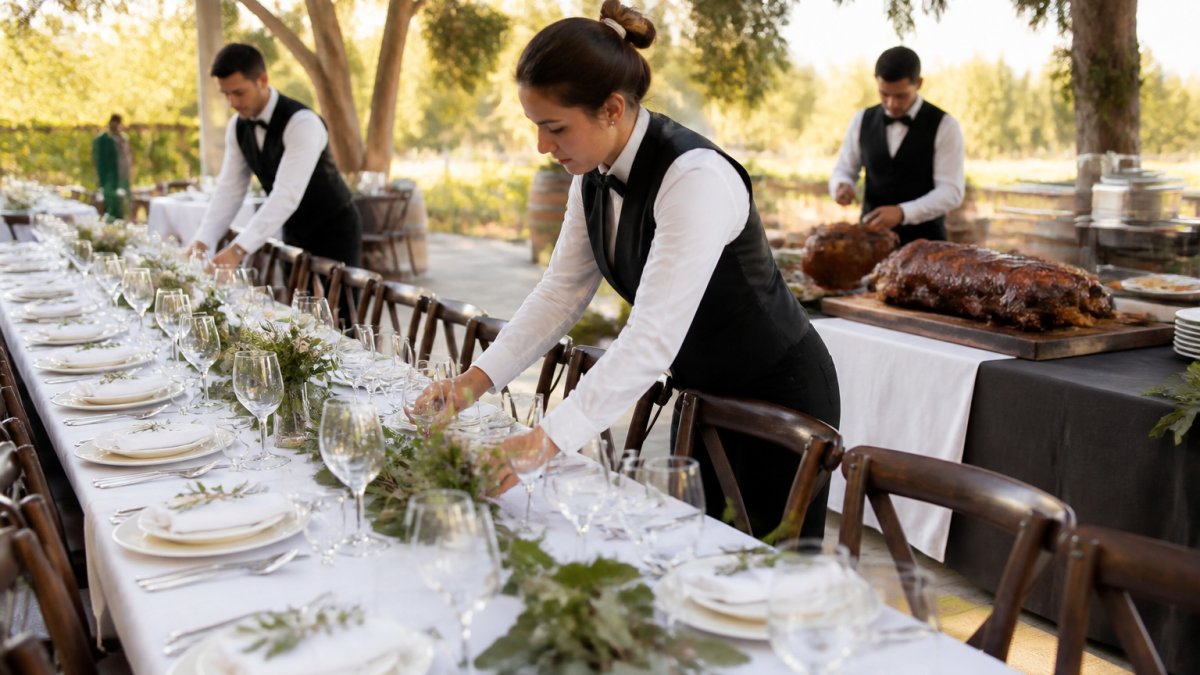
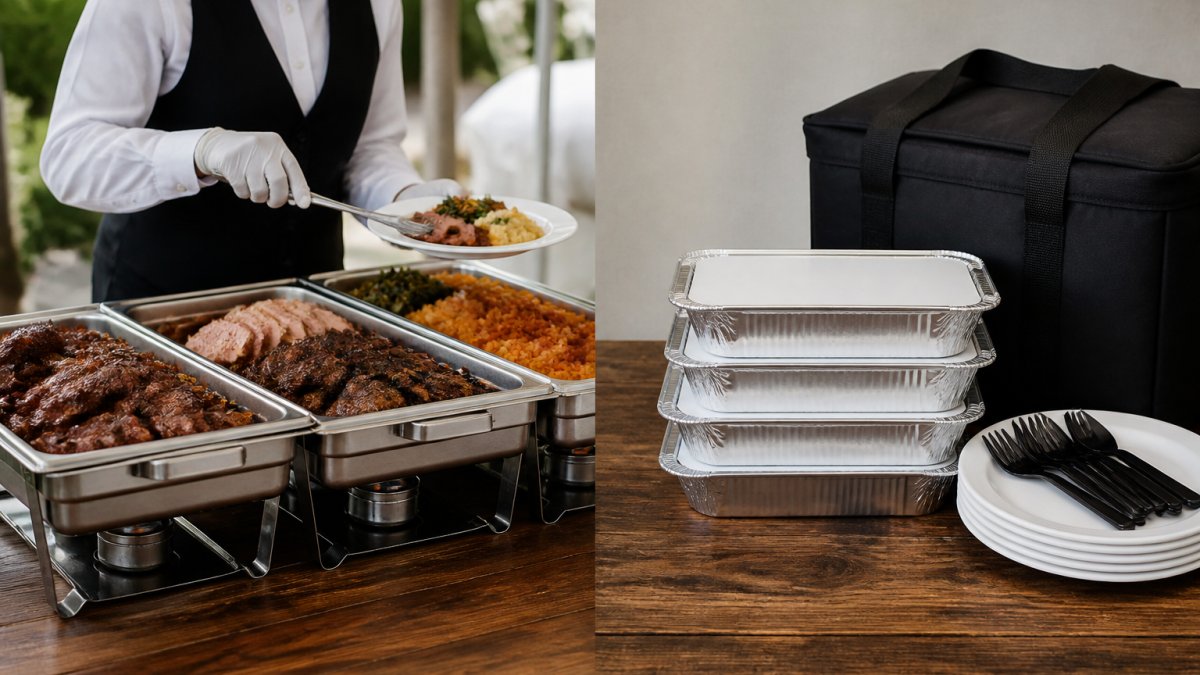
Full-service catering: The team arrives early to set up tables, linens, place settings, serving stations, and any rentals you've arranged.
Drop-off catering: You arrange tables and rentals yourself (or hire a separate rental company). You set up the food, manage serving stations, keep things replenished, and handle all cleanup.
This is the hidden cost of drop-off catering. Yes, the food itself costs less. But you're trading money for your time, energy, and peace of mind.
Full-service catering includes professional equipment handling, which matters more than many hosts realize. Chafing dishes, warming trays, serving utensils, and linens are provided and managed by trained staff.
Full-Service Catering Cost Breakdown
Full-service catering costs more than drop-off because you're paying for labor, expertise, and professional management. Understanding the cost components helps you evaluate whether the investment makes sense for your event.
Labor and Staffing Expenses
Staffing is the largest cost component in full-service catering. You're paying for trained professionals: servers, bartenders, kitchen staff, and a catering manager coordinating everything. Labor costs vary based on event duration, guest count, and service complexity.
A plated dinner service (where staff serve each course from the left) costs more than buffet service. Cocktail-hour staffing with passed hors d'oeuvres costs more than simple station service. Longer events require more staff hours.
The labor investment is real, but consider what you're getting: your event runs smoothly, guests feel attended to, and you're free to actually host instead of manage logistics.
Equipment and Rentals
Full-service catering typically includes serving equipment, linens, and basic rentals. Some caterers include tables and chairs; others partner with rental companies. This is where you need to ask specific questions about what's included in the quoted price.
For specialized services like whole hog roasts, which require specific roasting equipment and skilled preparation, equipment costs are built into the catering package. Shaka Braai's whole hog and whole lamb roasts come with professional preparation and serving setup, so you're not scrambling to figure out how to roast and carve a 100-pound animal.
Comparison Table: Full-Service vs Drop-Off at a Glance
| Aspect | Full-Service Catering | Drop-Off Catering |
|---|---|---|
| Food Preparation | Caterer handles completely | Caterer prepares, you receive |
| On-Site Staff | Professional servers and kitchen staff | You manage everything |
| Setup | Caterer arrives early to set up | You set up tables and food |
| Service | Continuous monitoring and refilling | You serve and manage buffet |
| Cleanup | Caterer handles complete breakdown | You clean up after event |
| Menu Customization | Extensive planning with caterer | Limited to caterer's offerings |
| Cost | Higher (includes labor) | Lower (food only) |
| Best For | Formal events, large gatherings | Casual events, small groups |
| Host Stress Level | Minimal | Moderate to high |
| Guest Experience | Polished, attended-to | Casual, DIY feel |
How to Choose: Decision Framework by Event Type and Guest Count
The right choice depends on three factors: event size, formality level, and how much you want to manage on the day itself. Use this framework to guide your decision.
Small Casual Gatherings (20-50 Guests)
Drop-off catering often makes sense here. With a smaller guest count, you can realistically manage setup and service, especially if you have help from friends or family. The cost savings are meaningful, and the casual tone of these events matches the DIY service style.
However, if your small event is formal, a 30-person dinner party where you want everything polished, full-service catering lifts a significant burden. You'll actually enjoy your own party instead of spending it in the kitchen.
Ask yourself: Do I want to focus on my guests, or am I comfortable managing the food logistics? If the former, full-service is worth it even for a small group.
Medium Events (50-150 Guests)
This is where full-service catering becomes increasingly valuable. At 75 guests, managing a buffet line, keeping food stocked, and handling cleanup while hosting becomes genuinely difficult. You'll need help, and coordinating that help takes energy.
For medium events, the labor cost of full-service catering is offset by the reduction in your stress and the improvement in guest experience. A professional team manages service seamlessly; you actually get to be a host.
Drop-off catering at this size works if the event is very casual (a backyard barbecue, a picnic) and you have a clear setup and service plan. Otherwise, you're likely to feel overwhelmed.
Large Formal Events (150+ Guests)
Full-service catering is almost always the right choice. At this scale, the logistics are too complex for a host to manage. You need professional coordination of setup, service timing, dietary accommodations, and cleanup.
A 200-person wedding reception or corporate gala requires trained staff managing multiple service stations, timing courses, and handling the inevitable unexpected moments. Drop-off catering at this scale is impractical and often results in a chaotic, stressful experience.
The cost of full-service catering scales with guest count, but so does the value. You're not just paying for food; you're paying for professional event management.
Hybrid Catering Models: A Middle Ground
Some caterers offer hybrid approaches that blend full-service and drop-off elements. Understanding these options gives you more flexibility.
Partial staffing: The caterer provides food and a limited staff (maybe one or two servers) for a few hours, typically during the main meal service. You handle setup and cleanup.
Catering with setup only: The caterer delivers food and sets up serving stations, but you handle the actual service and cleanup.
Catering with bartending: You manage food service, but the caterer provides a bartender.
These hybrid models are worth exploring if full-service catering feels too expensive or drop-off catering feels too risky for your event type.
For specialized catering like whole hog roasts, hybrid models can work particularly well.
Choosing between full-service and drop-off catering ultimately comes down to your event's scale, your comfort level with event management, and how much you value your own peace of mind on the day itself. And if you're planning something specialized, like an authentic South African whole hog roast, a caterer with real expertise in that specific service becomes invaluable. When you're ready to explore catering options for your next event, contact Shaka Braai to discuss how our full-service catering can create a memorable dining experience tailored to your guests and your vision.
Frequently Asked Questions
What is the difference between full-service and drop-off catering?
Full-service catering includes food preparation, delivery, on-site staff for setup and service, and cleanup. Drop-off catering delivers prepared food, but you or your venue handles setup, serving, and cleanup. Full-service works best for larger, formal events where professional presentation matters. Drop-off suits smaller, casual gatherings where you have adequate help and want to reduce costs.
Is drop-off catering cheaper than full-service catering?
Yes, drop-off catering is typically less expensive because you eliminate labor costs for servers, bartenders, and cleanup staff. However, the exact savings depend on your guest count, menu complexity, and local labor rates. You should also factor in whether you need to rent tables, linens, or serving equipment separately, which can offset some savings. Request quotes from your caterer to compare true costs for your specific event.
What does full-service catering include?
Full-service catering includes menu planning, food preparation, delivery to your venue, setup of tables and serving stations, professional staff to serve guests, beverage service, and complete cleanup. The caterer handles food presentation, temperature maintenance, replenishment of dishes, and breakdown of all equipment and linens. This is ideal for weddings, corporate events, and formal occasions where you want a polished guest experience without managing logistics.
Who is responsible for setup and cleanup with drop-off catering?
The host or event coordinator is responsible for all setup and cleanup with drop-off catering. This includes arranging tables and chairs, setting out plates and utensils, replenishing food as needed, clearing dishes, and breaking down after the event. Some venues provide staff to assist, but the caterer delivers the food and departs. This works well if you have volunteers or staff available, but requires careful planning to avoid overwhelming your team during the event.
Can you hire staff separately for drop-off catering to add service?
Yes, you can hire bartenders, servers, or event staff independently to work alongside drop-off catering. This creates a hybrid model that gives you more control over costs and staffing levels. However, you'll need to coordinate timing, brief hired staff on your menu and service style, and ensure they understand your expectations. Some caterers can recommend local staffing agencies or provide guidance on what roles are most important for your guest count and event type.