 How-to
How to Fit Biltong Into a Balanced Diet
Last Updated: November 1, 2026
Quick Summary
Biltong fits a biltong balanced diet best as one protein-rich food among many, not a meal on its own. Eat modest portions of 15 to 50 grams, check the sodium on the label, and pair it with vegetables, fruit or whole grains.
- Treat biltong as one good food among many, not a meal on its own.
- Use 15 to 30 grams for a light snack and 30 to 50 grams for a protein boost.
- Keep daily sodium within the commonly cited 2,300 milligram limit for most adults.
- Convert sodium and protein to a per-100-gram basis before comparing brands.
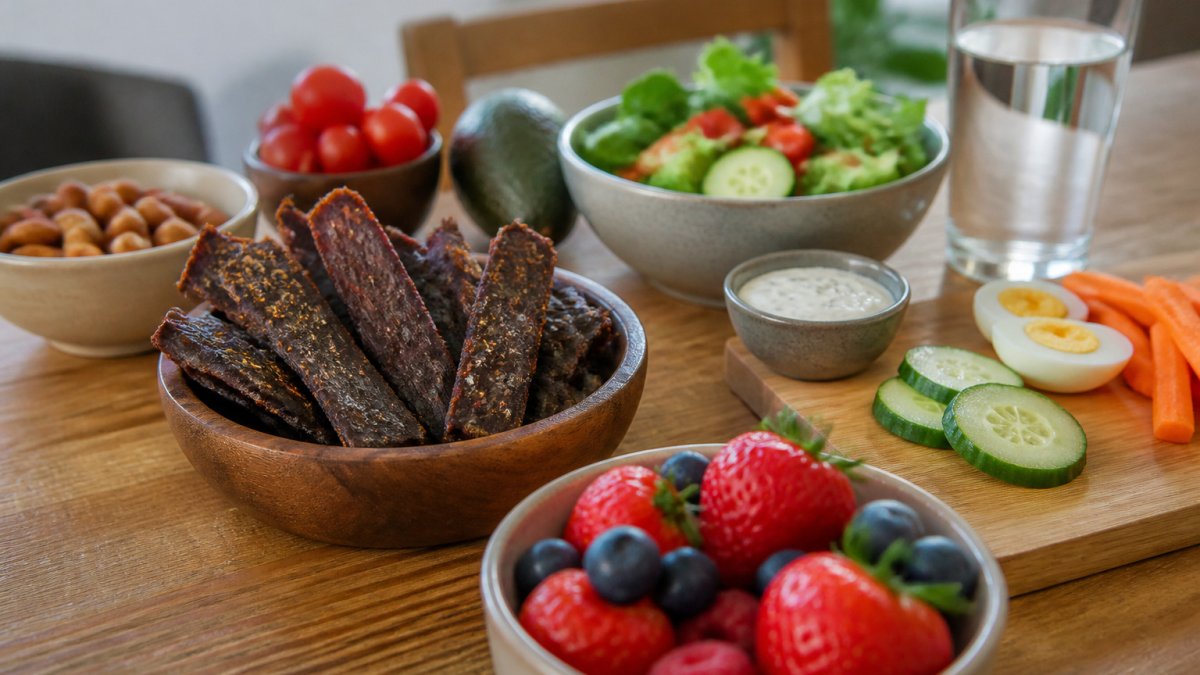
- Pair biltong with vegetables, fruit or whole grains to round out the meal.
Table of Contents
- Why Biltong Works in a Balanced Diet
- Biltong Nutrition Facts You Should Know
- How Much Biltong Is a Sensible Portion
- Reading Labels and Ingredients on Biltong
- Healthy Biltong Snack Ideas and Balanced Meal Pairings
- How to Store Biltong So It Stays Fresh
- Booking Shaka Braai for Your Next Gathering or Pantry Order
- Frequently Asked Questions
Why Biltong Works in a Balanced Diet
Biltong is air-dried, cured beef that has been a staple snack in South Africa for generations, and it fits neatly into a biltong balanced diet. The appeal is simple: it is high in protein and low in carbohydrates. Biltong is a South African-style cured meat, and it fits well into many eating patterns. Read a fuller guide to biltong's health benefits and safety.
A balanced diet still matters, though. The trick is treating biltong as one good food among many, not as a meal on its own.
A few reasons biltong earns its place:
- It is filling. A small portion can keep hunger away between meals.
- It is minimally processed. Traditional biltong is simply seasoned meat that is dried, with no fillers.
- It travels well. It needs no refrigeration before opening, which makes it handy for work, hikes, and road trips.
The real question is not whether biltong is good for you. It is how to build a biltong balanced diet around how much you eat and what you eat it with.
Biltong Nutrition Facts You Should Know
Biltong is nutrient-dense, which means it packs a lot of nutrition into a small amount of food. Like all cured meat, it is also concentrated, so portion size matters. The numbers below are typical ranges you will see on US labels for plain beef biltong; your package will differ because meat type, trim level, cure recipe, and drying time all shift the final values.
Protein, Fat and Carbohydrates Per 100 Grams
Per 100 grams (about 3.5 ounces), plain beef biltong commonly lands in these ranges:
Always check the label on the package you buy, since nutrition values vary. For a general view of how protein fits into daily nutrition, the USDA Dietary Guidelines for Americans outlines recommended intake for adults, commonly cited as roughly 0.8 grams of protein per kilogram of body weight per day for most adults, with higher needs for active people and older adults.
Sodium and Blood Pressure Considerations
Salt is the part of biltong that deserves attention, since curing relies on salt, so biltong can be high in sodium. Check the label for the sodium content of the product you buy.
Excess sodium can raise blood pressure in some people. The American Heart Association guidance on sodium suggests keeping daily sodium intake within recommended limits, commonly cited as no more than 2,300 milligrams per day for most adults, and ideally closer to 1,500 milligrams for people with high blood pressure or other risk factors. If you watch your blood pressure, compare sodium per serving across brands (they vary widely), pair biltong with low-sodium foods like fresh vegetables and unsalted nuts, and keep portions modest.
The article's key label checks and portion figures can be scanned at a glance:
| Item | Value | Note |
|---|---|---|
| Serving size | About 25 to 50 grams | Convert to per-100-gram basis before comparing |
| Light snack portion | 15 to 30 grams | Pair with fruit or vegetables |
| Protein boost portion | 30 to 50 grams | Add a salad or whole-grain side |
| Sodium limit (most adults) | No more than 2,300 mg per day | Ideally closer to 1,500 mg for high blood pressure |
| Protein guideline | About 0.8 g per kg body weight per day | Higher for active people and older adults |
| Ingredient order | Listed by weight | First few ingredients tell you the most |
How Much Biltong Is a Sensible Portion
Portion size depends on your goals:
- Light snack: 15 to 30 grams, paired with fruit or vegetables.
- Protein boost: 30 to 50 grams, with a salad or whole-grain side.
- Active days: A slightly larger portion after training can support recovery.
Pre-portion it into small bags so you can see exactly how much you are having.
Reading Labels and Ingredients on Biltong
Here is a step-by-step way to compare two packages side by side in the store.
Step 1: Start with the serving size. Every number on the panel is tied to the serving size, and biltong serving sizes vary from about 25 to 50 grams. A product with 300 milligrams of sodium per 25-gram serving is not the same as one with 300 milligrams per 50-gram serving. Convert both to a per-100-gram basis, or to the portion you actually eat, before comparing.
Step 2: Compare protein per serving. Protein content is worth checking on the label when choosing a snack.
Step 3: Check sodium per serving. Lower sodium is generally easier to fit into a day if you eat biltong often.
Step 4: Look at total carbohydrate and the sugar line. Check the ingredient list to confirm whether sugar has been added.
Step 5: Read the ingredient list in order. Ingredients are listed by weight, so the first few tell you the most (the FDA). A short list of beef, salt, spices, and vinegar is typical of traditional biltong. If sugar, dextrose, maltodextrin, or a long list of preservatives appears near the front, the product is further from the plain style.
Step 6: Watch for claims that hide the trade-offs. A 'high protein' claim says nothing about sodium or sugar. 'No nitrates added' does not mean low sodium. Judge the product on the full panel, not the front of the package.
Always read the full nutrition panel.
Healthy Biltong Snack Ideas and Balanced Meal Pairings
Here are some simple ideas:
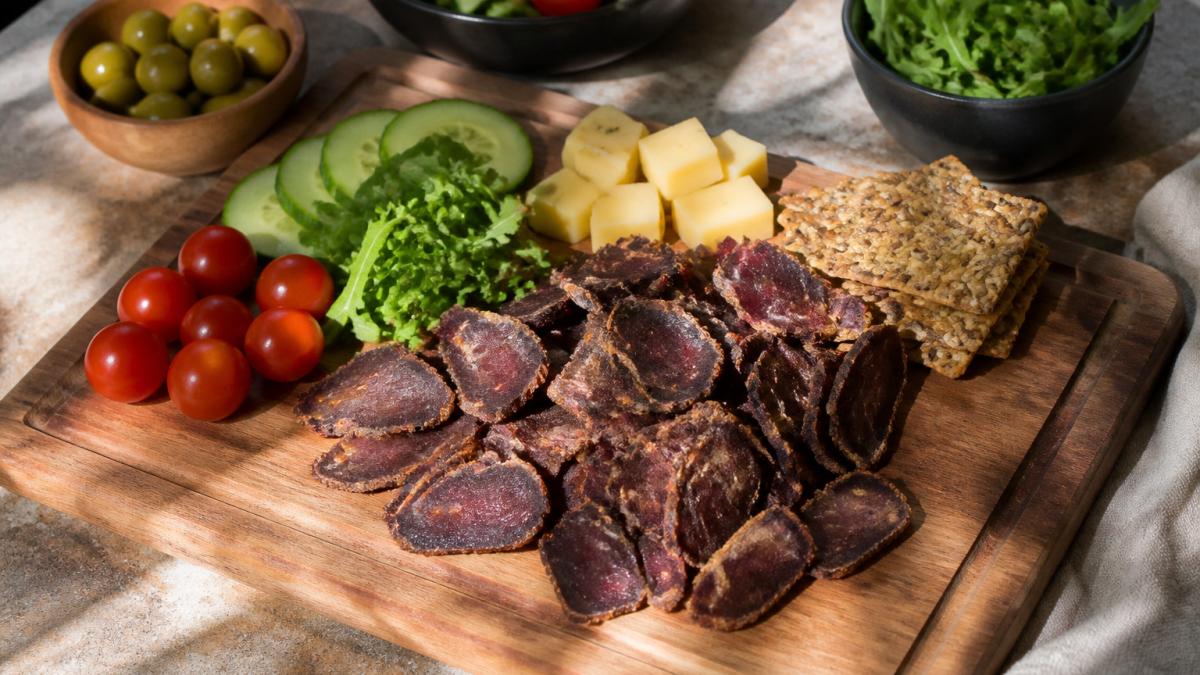
- Snack board: Sliced biltong, cucumber, bell pepper, and a few almonds.
- Lunch add-on: Chop biltong into a green salad with chickpeas and olive oil dressing.
- Post-workout snack: A handful of biltong with an apple or a piece of fruit.
- Breakfast twist: Add shredded biltong to an egg scramble with spinach.
How to Store Biltong So It Stays Fresh
Proper storage keeps biltong safe and tasty. Keep unopened packages in a cool, dry place away from direct sunlight. Once opened, seal the remaining biltong in an airtight bag or container.
Many people keep biltong in the refrigerator after opening to extend its life, especially in warm weather. Learn whether preservative-free biltong stays shelf stable before you buy. Check the package date and the storage guidance printed on the label, and discard any biltong that smells off, feels slimy, or shows mold.
Booking Shaka Braai for Your Next Gathering or Pantry Order
Whether you are stocking your pantry or planning a braai for a crowd, Shaka Braai can help. Our [PAGE:1] covers what we offer, and our [PAGE:2] shows event catering options. For pantry orders, you can [PAGE:3] to see our current cured meat selection. Pricing depends on quantity, dates, and delivery, so visit our website or request a call back for a current quote.
Frequently Asked Questions
Can biltong be part of a balanced diet?
Yes. When eaten in moderation and paired with vegetables, whole grains or fruit, it can fit into a balanced diet. Keep portions measured and check labels for added sugar or flavorings. Treat it as one part of your daily protein intake rather than the whole of it, and balance it against the rest of the day's meals.
How much biltong should you eat in one serving?
A common sensible serving is about 30 grams, roughly one ounce, which is a modest handful of thin strips. Portions vary with how thick the strips are and how much protein you need overall. Weigh a serving once to learn what it looks like, then keep to that amount for snacks. Pairing a serving with a vegetable or fruit helps you feel full without eating more meat.
Is biltong high in sodium?
Biltong is salt-cured, so it is typically high in sodium, and sodium content varies by brand and recipe. If you watch your blood pressure or are asked to limit salt, compare the sodium per serving on the nutrition label and factor it into your daily total. Choosing smaller portions and balancing the rest of your day with low-sodium foods are the practical ways to manage it.
How should biltong be stored after opening?
If you see mold, an off smell or unusual discoloration, discard it.
Ready to bring a taste of South Africa to your table? Request a call back from Shaka Braai to plan your next gathering or order.