 How-to
Biltong on Keto: How to Fit It Into Your Diet
Last Updated: November 5, 2026
Quick Summary
Biltong fits a biltong keto diet because plain, air-dried beef is mostly protein and fat with very few carbs. Choose traditional biltong, check the label for added sugar, and keep portions measured so the snack stays within your daily macros.
- Plain biltong is mostly protein and fat, with very few carbs.
- Flavored varieties can add sugar, so always check the nutrition panel first.
- Check total carbs and added sugar on the label before buying.
- Biltong often has fewer carbs than jerky, which can contain added sugar.
- Weigh one serving once and use it as your reference portion.
Table of Contents
- Why Biltong Fits a Keto Diet
- Is Biltong Keto-Friendly? Checking the Carbs
- How Many Carbs Are in Biltong?
- Choosing the Right Cut and Slicing It for Keto Snacking
- Biltong vs Beef Jerky on Keto
- Building Low-Carb Biltong Snacks and Meals
- Storing Biltong and Keeping Portions in Check
- Ordering Shaka Braai Biltong for Your Keto Pantry
- Frequently Asked Questions
Why Biltong Fits a Keto Diet
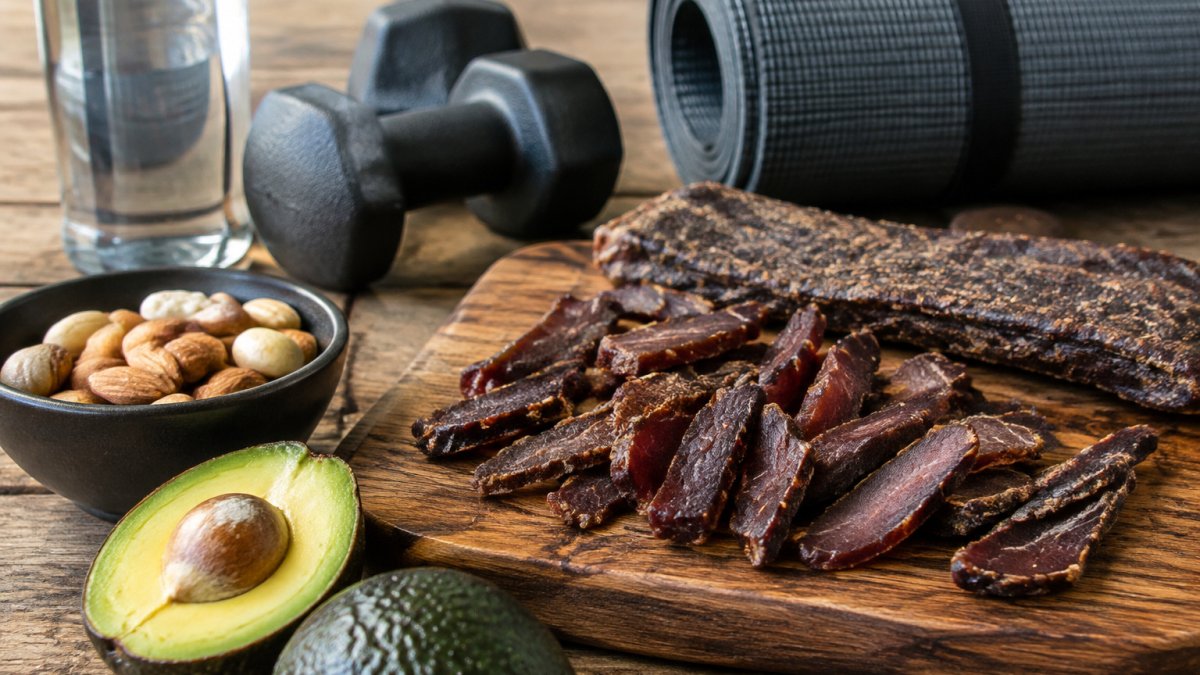
Shaka Braai makes biltong for people who want a high-protein snack. For many keto eaters, that combination is what makes this air-dried beef a practical choice for a biltong keto diet. Biltong is mostly protein and fat, with very few carbs, so it can slot into a low-carb plan with little guesswork.
Keto is built around keeping carbohydrates low and getting most daily calories from fat and protein (A Review of Ketogenic Diet and Lifestyle). Snacks are where many people slip, so a food that is naturally low in carbs and filling helps a lot.
The main idea is simple. Choose plain, traditional biltong, read the label for added sugar, and build your snacks around it. For practical ways to balance biltong within a full diet, see how to fit biltong into a balanced diet.
Is Biltong Keto-Friendly? Checking the Carbs
Biltong is generally keto-friendly because its carbohydrate content is very low. For a deeper look at its nutrition, benefits and safety, read the full guide to whether biltong is healthy. Plain beef biltong is generally low in carbs, but check the nutrition panel for exact figures. Flavored varieties can add sugar, so always check the nutrition panel before you buy.
Here is what to look for on the label:
- Total carbs per serving, which should be low
- Added sugar, which is the most common hidden source of carbs
- Ingredient list, with beef, salt, spices and vinegar being the usual base
Keto eaters often compare biltong with other snacks, so it helps to know the basics.
How Many Carbs Are in Biltong?
Plain biltong is very low in carbohydrates, and the exact amount depends on the cure and any seasoning used. Because nutrition values vary by batch and recipe, the most reliable number is the one printed on the product you buy. Check the nutrition facts on the package for current figures.
Portion size matters as well. Even a low-carb food adds up if you eat large amounts, so measure a serving and track it the same way you would any other keto food.
Choosing the Right Cut and Slicing It for Keto Snacking
Cut and slicing affect how the snack feels to eat, how evenly it dries, and how easy it is to portion against your daily macros. Thin slices dry faster and are easier to chew, while thicker pieces give a meatier bite. Shaka Braai offers traditional biltong that suits both styles, so choose the texture you enjoy most.
Start by identifying the grain. Lay the piece on a cutting board and look for the parallel lines of muscle fiber running along its length. Slicing across those lines, perpendicular to the grain, shortens the fibers in each piece, so it bites cleanly instead of stringing apart. Slicing with the grain leaves long fibers intact and produces chewy, rope-like strips that are harder to portion.
Chill the biltong slightly before slicing. A common pattern among people who slice large batches is to move the piece from the pantry to the refrigerator for 20 to 30 minutes first. Slightly chilled meat holds its shape better under the blade, which makes consistent thin slices easier to achieve than at room temperature. Do not freeze it solid; you want firm, not hard.
Choose the tool to match the job. A sharp chef's knife or a long slicing knife works well for slabs, while a biltong cutter, a guillotine-style slicer with a fixed blade and a hold-down clamp, gives repeatable thickness for sticks and large batches. Manual knives offer more control over angle; cutters offer more consistency and less hand fatigue. Whichever you use, keep the blade sharp: a dull edge crushes and tears cured meat rather than cutting it.
Work on a stable, non-slip surface with the piece positioned so your knuckles guide the blade. For slabs, angle the knife slightly and use long, drawing strokes rather than pressing straight down. For sticks, cut on a slight bias to expose more surface and make each piece easier to chew.
Watch out: if the biltong shatters into dry flakes as you cut, it is too dry, mist it very lightly with water, wrap it, and let it rest before slicing. If it tears and drags instead of slicing cleanly, it is too moist or your blade is dull; dry it a little longer or hone the edge.
For high-volume slicing, take breaks and alternate hands to reduce fatigue, and slice over a rimmed board so the pieces do not scatter. Keep portions small so the snack stays satisfying without overeating, and weigh a serving once so you know what a keto-appropriate portion looks like on your plate.
The slicing guidance in this section comes down to a few choices, summarised below.
| Method | Best for | Key difference |
|---|---|---|
| Knife, slicing across the grain | Slabs | Shortens fibers so it bites cleanly |
| Knife, slicing with the grain | Long strips | Keeps fibers long, chewy and harder to portion |
| Biltong cutter | Sticks and large batches | Repeatable thickness, less hand fatigue |
| Chilled for 20 to 30 minutes | Thin, even slices | Holds shape better under the blade |
| Lightly misted, then rested | Pieces that shatter when cut | Fixes biltong that is too dry |
Biltong vs Beef Jerky on Keto
Biltong and beef jerky are both dried meat snacks, but they differ in how they are made and seasoned. Biltong is typically air-dried with vinegar and spices. Jerky often contains added sugar in its marinade, which can raise the carb count.
For keto, the safest approach is to compare labels. Choose the option with the fewest carbs per serving and no added sugar.
Building Low-Carb Biltong Snacks and Meals
Biltong works well as a snack or a meal addition. Try these simple ideas:
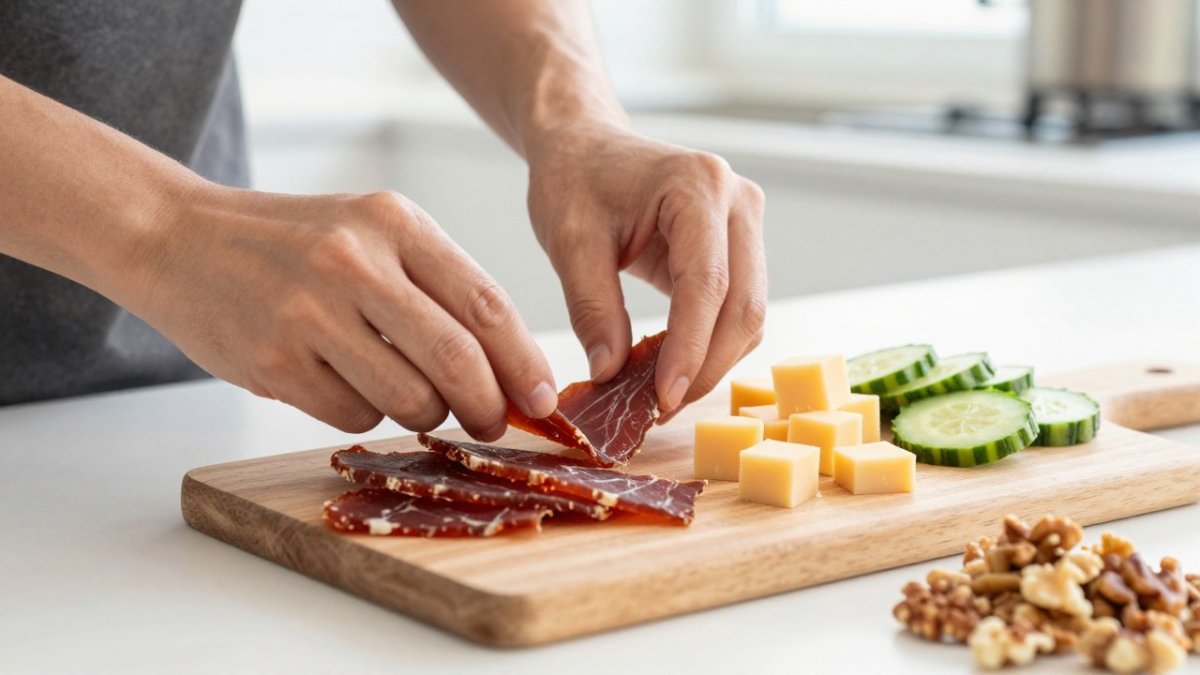
- Pair slices with cheese cubes and cucumber rounds
- Add a small handful of nuts for extra fat
- Chop biltong into a green salad with olive oil dressing
- Use it as a protein topping for a low-carb lettuce wrap
These combinations keep carbs low and fat and protein high, which is the goal on keto.
Storing Biltong and Keeping Portions in Check
Check the packaging for storage guidance from the producer. To learn whether preservative-free biltong stays shelf stable, see our complete guide to preservative-free biltong storage.
Portion control keeps the snack aligned with your daily macros. Divide a larger bag into single servings right away, so you do not eat more than planned. Weigh one serving once, note the number, and use that as your reference for future portions rather than guessing.
Ordering Shaka Braai Biltong for Your Keto Pantry
If you want an easy way to stock your keto pantry, you can shop Shaka Braai's biltong and droewors online and have them shipped within the USA. Our biltong is made with traditional South African flavors and no preservatives.
For pricing and current availability, check the product pages on our site. Pricing depends on quantity and delivery, so visit the site or request a call back for an exact quote.
Frequently Asked Questions
Is biltong keto-friendly?
Yes, biltong is generally considered keto-friendly, and the nutrition panel on each product shows its carbohydrate content. Traditional biltong is made from beef, salt, vinegar and spices, and the carbohydrate content comes mainly from those seasonings. Check the label of any commercial product, since some flavored varieties add sugar.
How many carbs are in biltong?
The carbohydrate content of plain beef biltong depends on the recipe and any added sugar. Because labels vary between brands and batches, the most reliable approach is to read the nutrition panel on the package you buy. Keto dieters tracking macros should log the serving size they actually eat, since portions of dried meat can be easy to underestimate.
How much biltong can you eat on a keto diet?
Portion size depends on your daily protein, fat and carb targets, not on biltong alone. Many keto eaters pair a moderate serving with added fat such as avocado, cheese or nuts to meet energy needs. Because biltong is dense in protein, eating large amounts can push protein above your target, so weigh your portions for the first few weeks to learn how much fits your plan.
Is biltong better than beef jerky for keto?
Both can work on keto, but traditional biltong is often the simpler choice because it is usually made with fewer sugary marinades than many commercial jerky products. Jerky frequently contains added sugar or teriyaki-style glazes that raise the carb count. Compare the labels of each product side by side, and favor the option with the lowest sugar and the fewest additives.
Ready to make biltong part of your keto routine? Request a call back from Shaka Braai and we will help you choose the right products for your pantry.